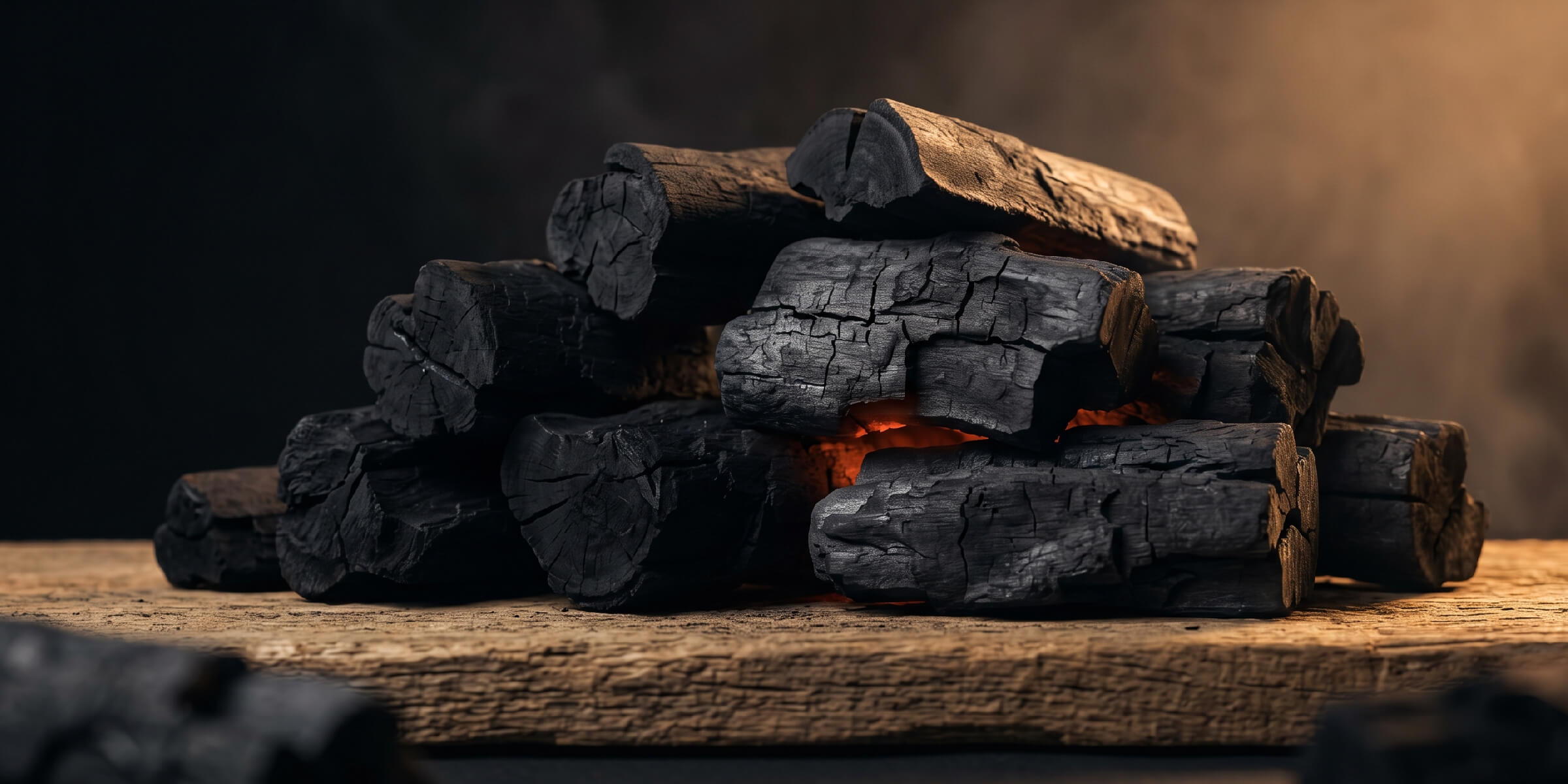
Tandoor kitchens & dhabas
Hardwood lumps that hit 800 °C and stay there.
Indian restaurant tandoors, dhaba kitchens, hotel buffet tandoors. Dense hardwood lumps in 25-30 kg restaurant sacks, sized to pack a clay tandoor cleanly so airflow stays steady through a 3-4 hour service. Naan puffs the way it should, kebab chars at the right rate, and the kitchen knows exactly how many kilograms each dinner service costs.
Why hardwood lump is the tandoor standard
700-900 °C surface heat
the temperature band traditional tandoor cooking needs for naan to puff and kebabs to char correctly without drying out.
3-4 hour service window
per packed tandoor — covers a full dinner service before top-up. Longer with the Coconut Shell Block long-format alternative.
Authentic smoke character
from real Indian hardwood (mango, acacia, neem, sheesham) — the flavour the menu promises, not a flat blank-fuel taste.
Restaurant pack sizes
25 kg and 30 kg sacks are the format chefs actually order in. No awkward 5 kg portions or industrial 50 kg sacks no one wants to lift.
Predictable monthly consumption
single tandoor at 8-15 kg / service makes monthly planning straightforward, with bulk pricing kicking in at 50 kg / month.
The tandoor kitchen SKU mix
Hardwood lump is the workhorse. Briquettes are the top-up. The Coconut Shell Block is the long-format alternative for all-day tandoor service.
- 01 Hardwood Charcoal Lumps
The workhorse — large hardwood lumps stack to fill a tandoor base, hold 700-900 °C through a service
Fixed C: 70–78% Ash: < 4% Burn: 3–4 hrs From ₹179 - 02 Wood Charcoal Briquettes
Compressed briquette top-up — predictable burn for sustained service when the lumps need a refresh
Fixed C: 68–72% Ash: 6–8% Burn: 2.5–3 hrs From ₹149 - 03 Coconut Shell Charcoal Blocks
Long-burn 4-6 hr blocks — for tandoors running all-day prix-fixe or hotel breakfast-to-dinner cadence
Fixed C: 78–82% Ash: < 4% Burn: 4–6 hrs From ₹249
Bulk savings on a tandoor kitchen
100 kg / month at tier 2 (10% off) saves ~₹2,500–₹5,000 / month vs. retail.
A multi-outlet hotel chain at 500 kg / month per kitchen sits at tier 3 (15% off) for ~₹15,000–₹25,000 / month saved.
Why hardwood beats the alternatives
Hardwood vs. gas tandoors
Gas tandoors lose the smoke aroma that defines tandoori cooking — naan loses its blistered character, kebab loses its char-edge. Real customers can taste the difference. Charcoal also runs cheaper per service at our wholesale tiers than LPG cylinder logistics.
Hardwood vs. coal / coke
Coal burns dirtier (higher sulphur, more visible smoke) and pulls more aggressively on your chimney. Hardwood lump runs at 18-22% volatile matter and <0.05% sulphur — cleaner kitchen air, less staff complaint, less AC stack maintenance.
Tandoor kitchens — FAQ
What's the best charcoal for a clay tandoor?
Dense hardwood lumps in 25-30 kg sacks are the traditional and best-performing choice. Our hardwood lumps (mango, acacia, neem, sheesham) reach 700-900 °C — the surface temperature a tandoor needs for naan to puff and seekh kebab to char correctly. The piece-size grading (no fines, no shards) lets you stack the tandoor cleanly so airflow stays steady through service.
How much charcoal does a tandoor go through per service?
Indicative range from accounts we supply: a single tandoor running 4-5 hours of dinner service typically burns 8-15 kg of hardwood lump, including the initial fire-up. A mid-size restaurant running two tandoors across lunch and dinner consumes 25-40 kg/day. Heavy-volume venues (dhabas, hotel buffet kitchens) running tandoors through breakfast → lunch → dinner can use 50-80 kg/day per tandoor.
How long does one tandoor fill last before re-fuelling?
A traditional clay tandoor packed with 6-8 kg of hardwood lump holds working temperature (around 700 °C surface) for about 3-4 hours of continuous service. Topping up with Wood Briquettes during a quiet hour buys another 2-3 hours without breaking down the bed. The Coconut Shell Block (4-6 hr burn) is the long-format alternative for kitchens that don't want to top up mid-service.
Are there ventilation or smoke-management tips?
Yes — three points matter: (1) install a dedicated chimney over each tandoor with adequate cross-section (typical: 200mm dia for a single tandoor); (2) ensure make-up air from outside the kitchen so the chimney isn't pulling against negative pressure; (3) low-volatile charcoal (our hardwood lumps run 18-22% volatile matter) produces less visible smoke than cheaper softwood or unbranded fuel — your AC stack stays cleaner.
Do you offer wholesale terms for restaurant chains and hotel groups?
Yes. Multi-outlet restaurant groups and hotel chains run on standing monthly POs with consolidated GST invoicing per cycle and split-delivery to each kitchen. Typical contract: 200-500 kg / outlet / month at tier 2-3 pricing (10-15% off), NEFT 50/50 or 30-day credit after 6 clean cycles. Apply through the wholesale form with the list of outlet pin codes.
Can you supply 25 kg sacks specifically (not 10 kg)?
Yes — 25 kg is our standard restaurant-supply pack for hardwood lumps (SKU WD-HLMP-25), priced at the highest wholesale tier per kilogram. 30 kg packs are also stocked. For chain accounts we can supply in 50 kg woven sacks on request for back-of-house storage efficiency.
Tandoor quantity calculator
How much hardwood lump for your tandoor service?
Pick "Tandoor kitchen" below and set your service hours — the calculator returns a kg estimate (1.5 kg/hr base, +0.5 kg/hr for high-intensity Friday-night service) and the WC pack sizes that cover it.
Recommended charcoal order
These are estimates — actual usage varies by airflow, charcoal grade, kiln moisture content, and ambient temperature. Most restaurants run a 1-week trial to pin down their kitchen's real consumption. For events over 50 kg we recommend applying for wholesale pricing first.