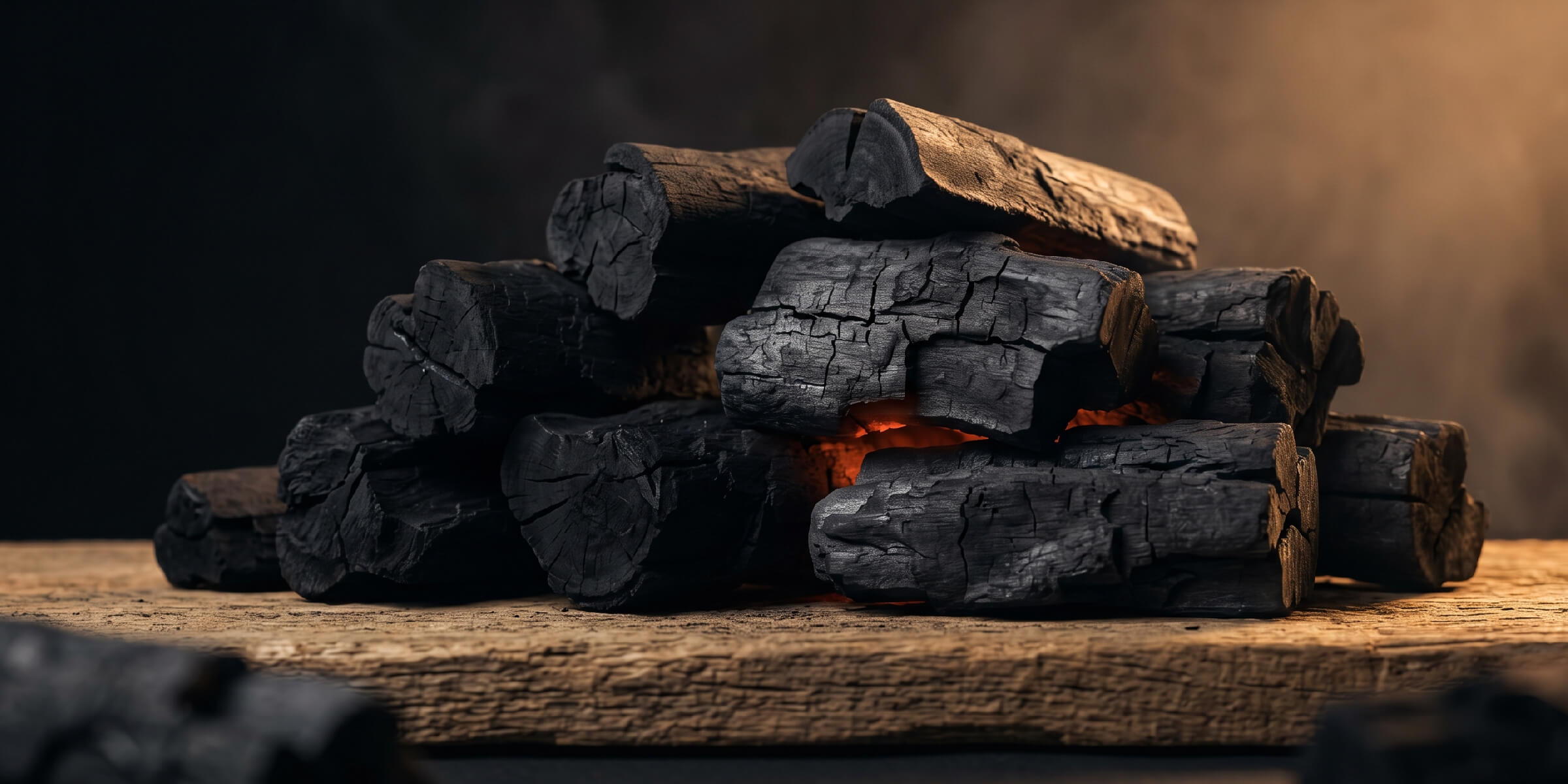
Wood Charcoal
Long-burn hardwood charcoal for cooking, heat and industry
Our wood charcoal is kiln-produced from selected hardwoods, in our Rajkot facility and through certified partner kilns to a single internal spec. Dense, natural and chemical-free, it delivers the long burn and high calorific value demanded by BBQ enthusiasts, tandoor kitchens, and industrial furnaces alike.
 WoodBestseller
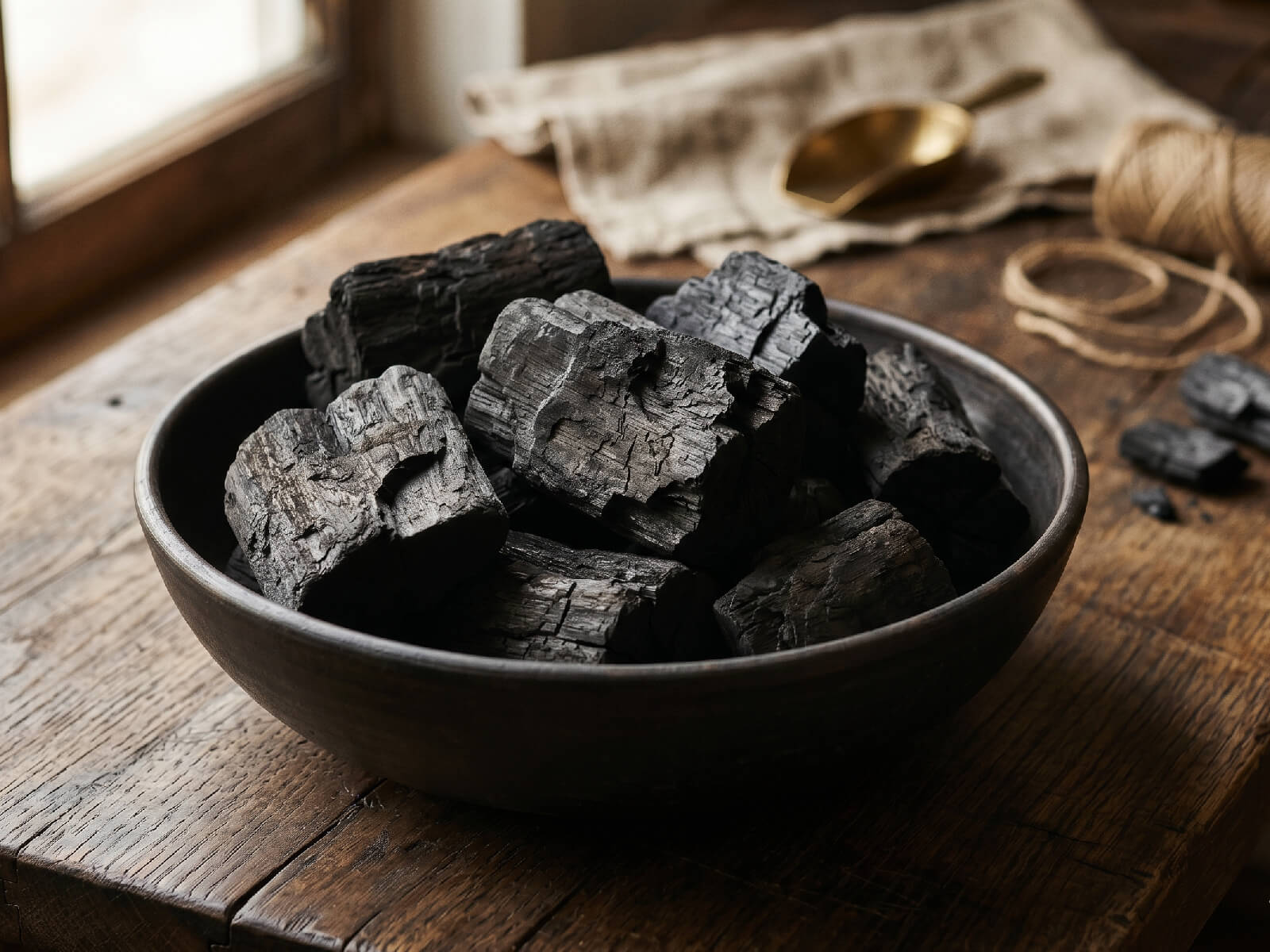
Hardwood Charcoal Lumps
Dense hardwood chunks for BBQ, grilling and tandoor
 Wood
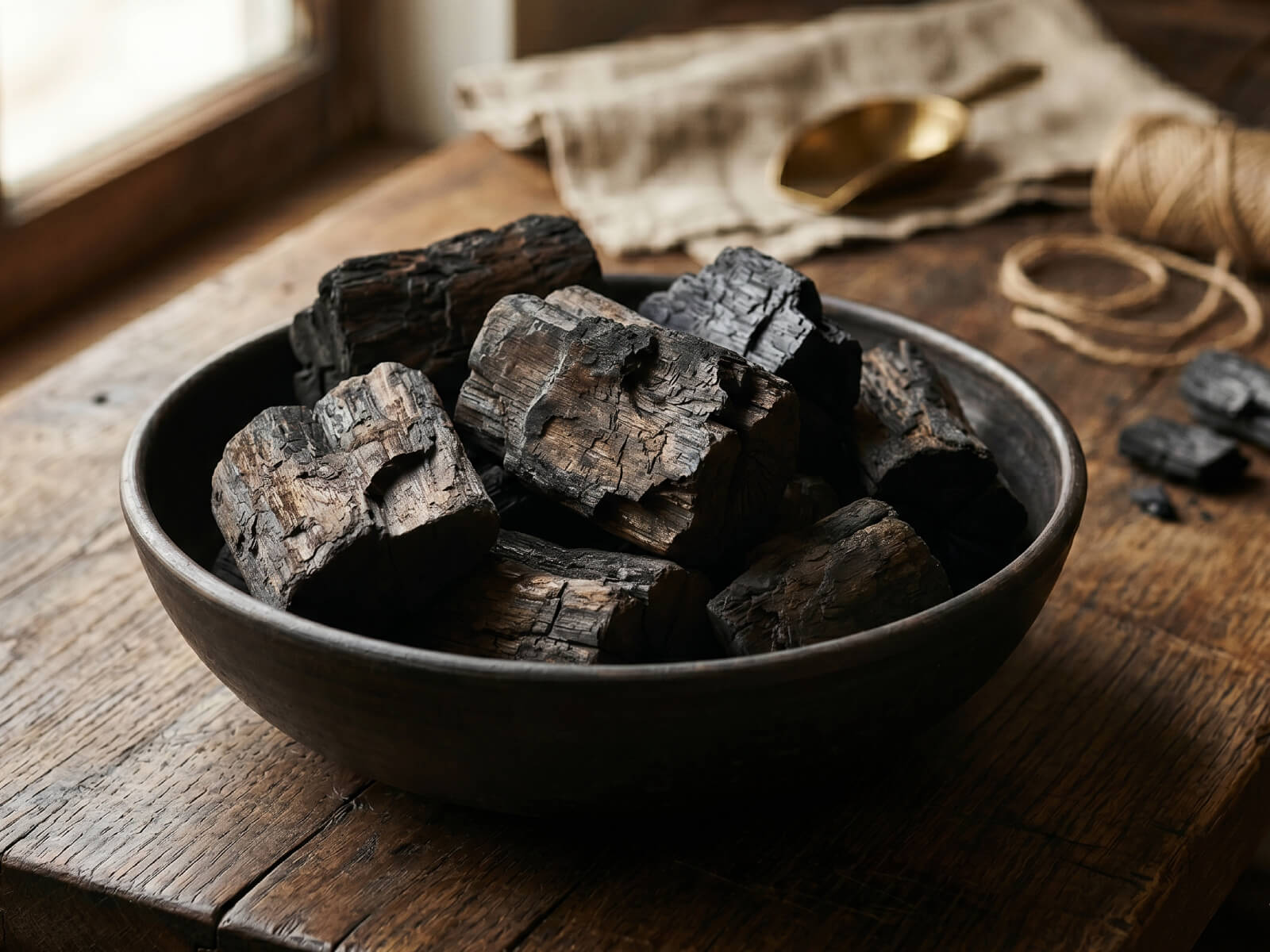
WoodSmoked Charcoal Lumps
Pre-smoked hardwood lumps for BBQ flavour
 Wood
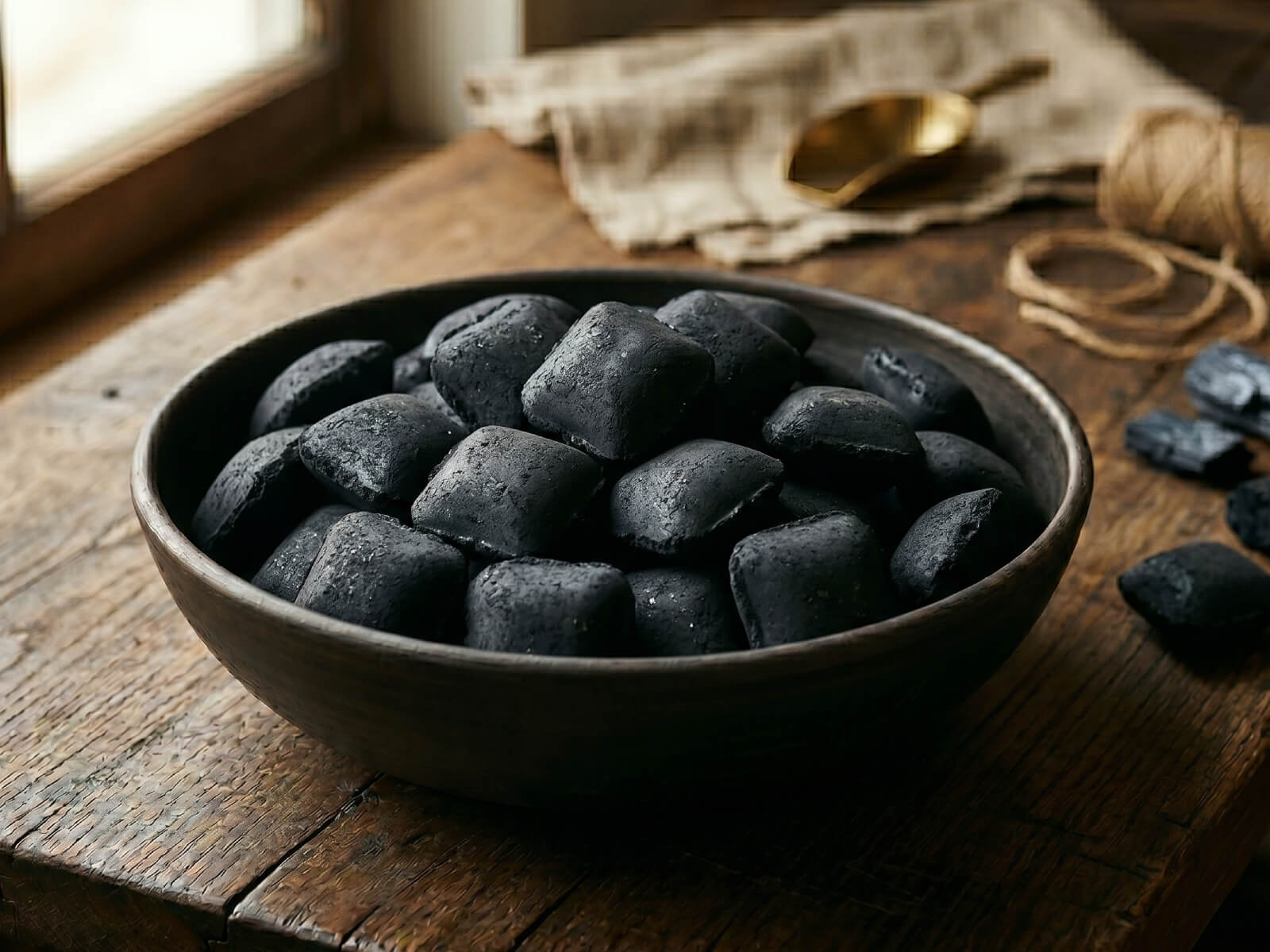
WoodBBQ Pillow Charcoal Briquettes
Quick-light pillow-shaped briquettes for home BBQ
 Wood
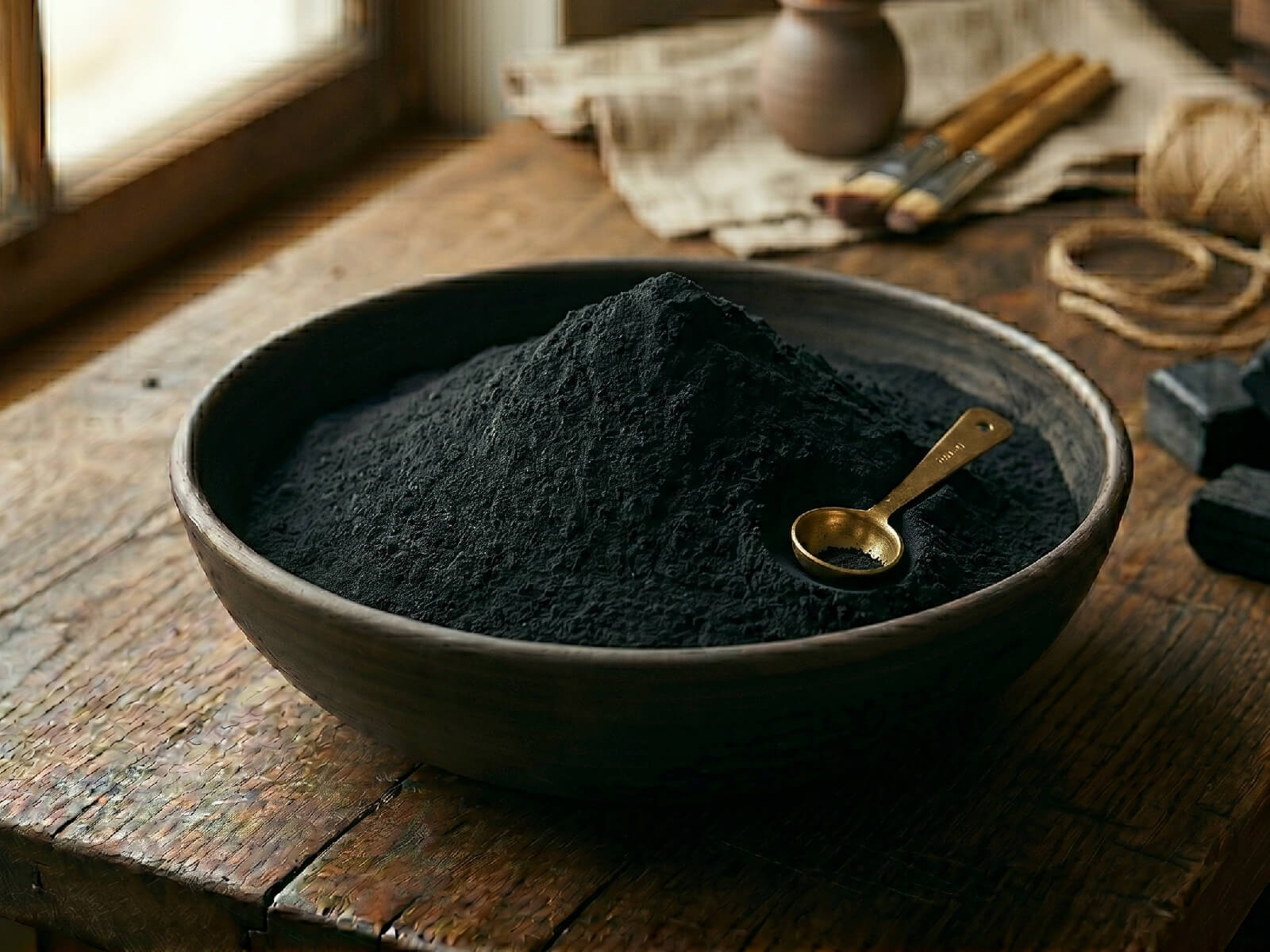
WoodWood Charcoal Powder
Finely milled hardwood charcoal for cosmetics and agriculture
 Wood
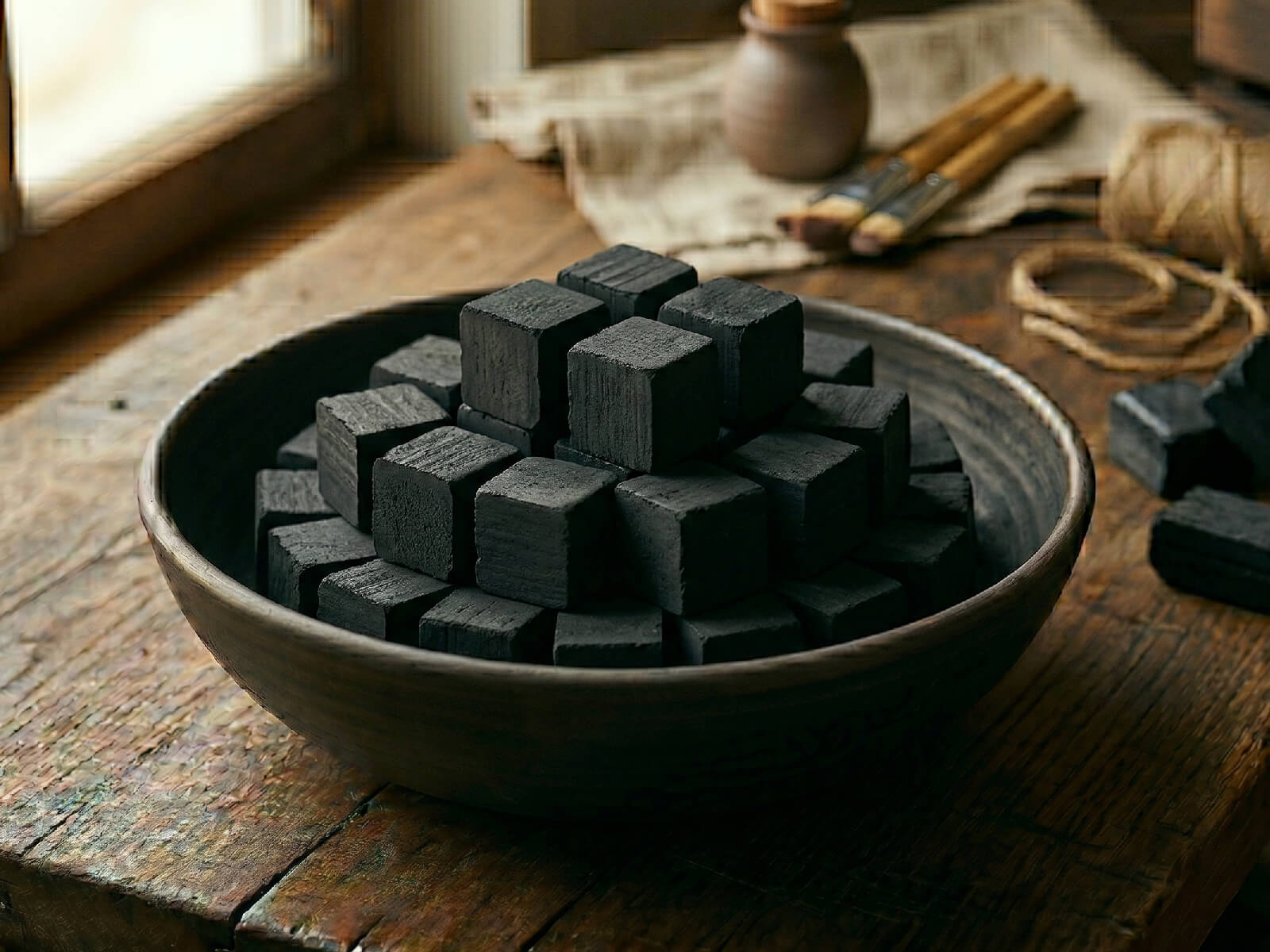
WoodWood Cube Charcoal Briquettes
Uniform hardwood cubes for restaurants and catering
 Wood
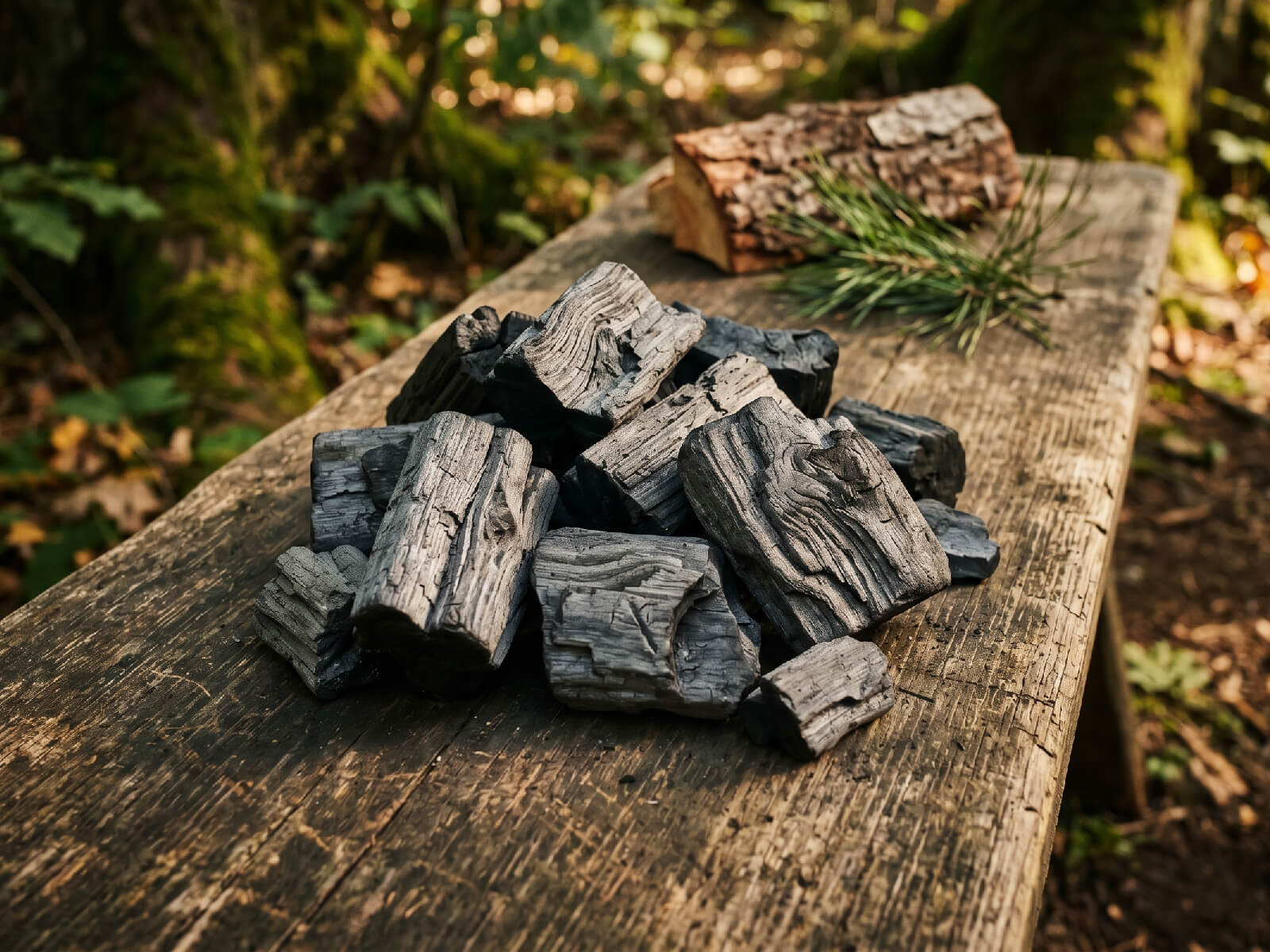
WoodSoftwood Charcoal Lumps
Pine & cedar lumps — fast, hot, lighter flavour
 Wood
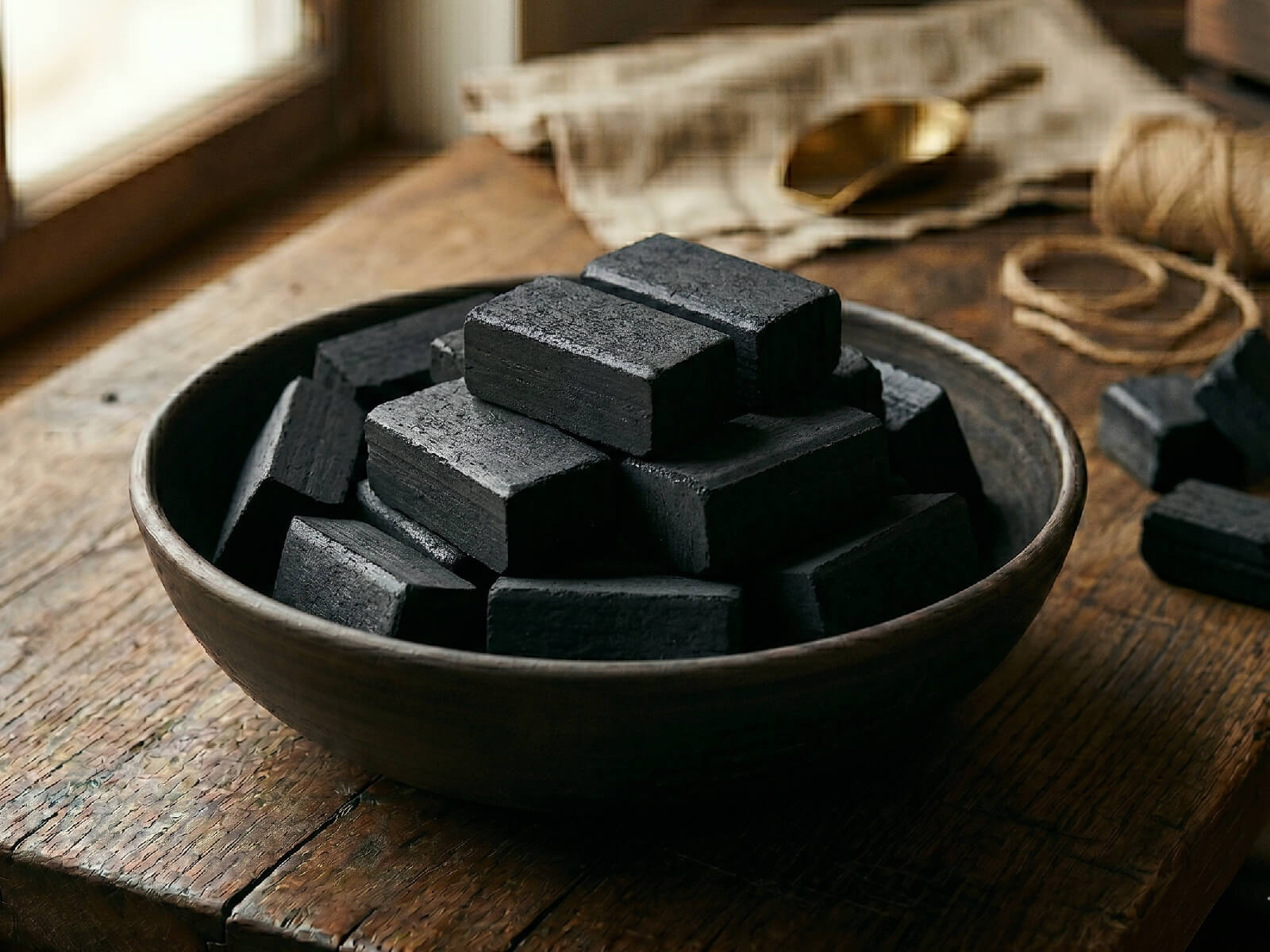
WoodWood Charcoal Briquettes
Compressed hardwood blocks for catering and industrial use
 Wood
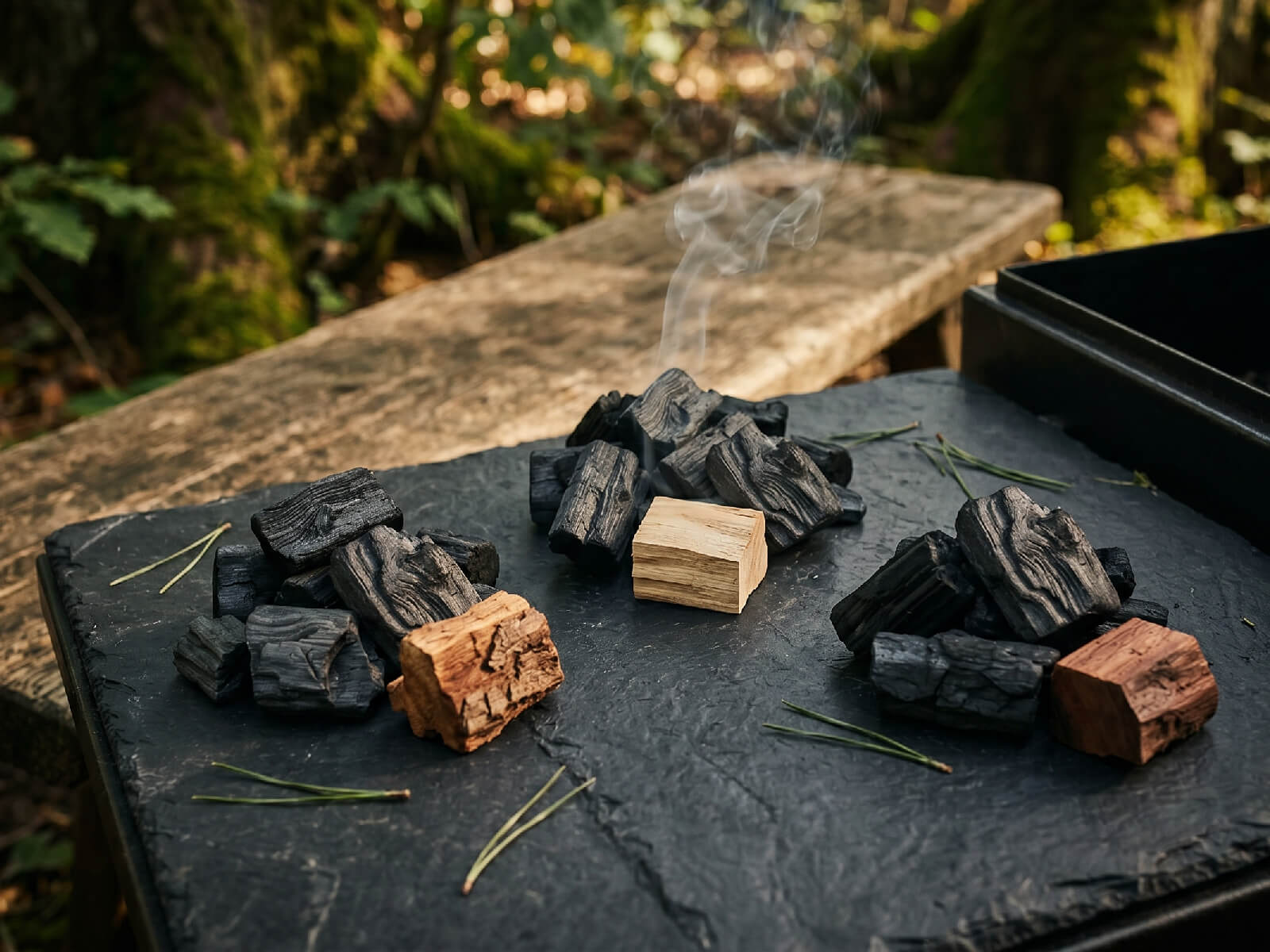
WoodFlavored Wood Charcoal
Mesquite, apple & cherrywood-infused lumps for signature BBQ
 Wood
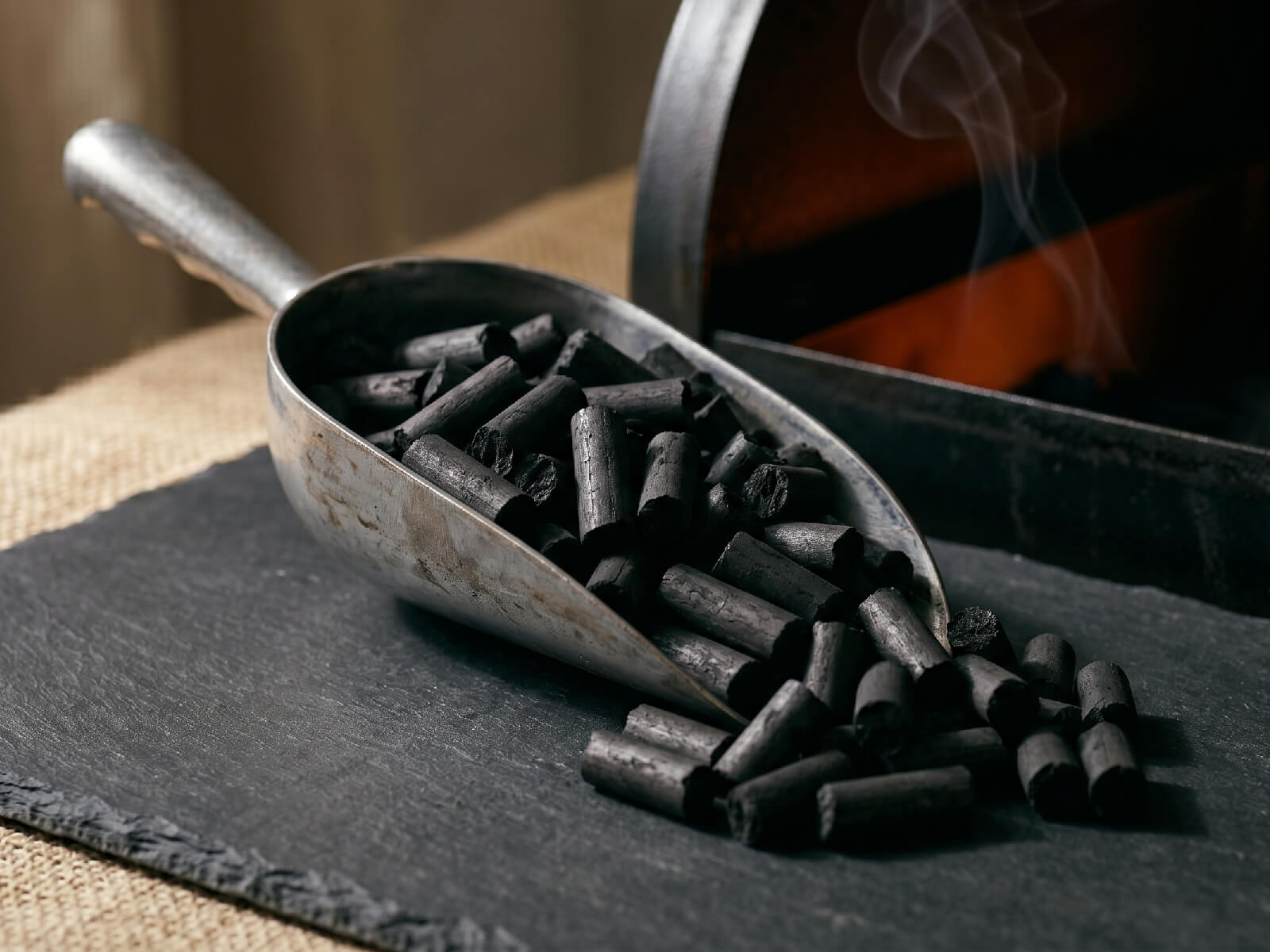
WoodWood Charcoal Pellets
Compressed hardwood pellets — eco-friendly pellet-grill fuel
 Wood
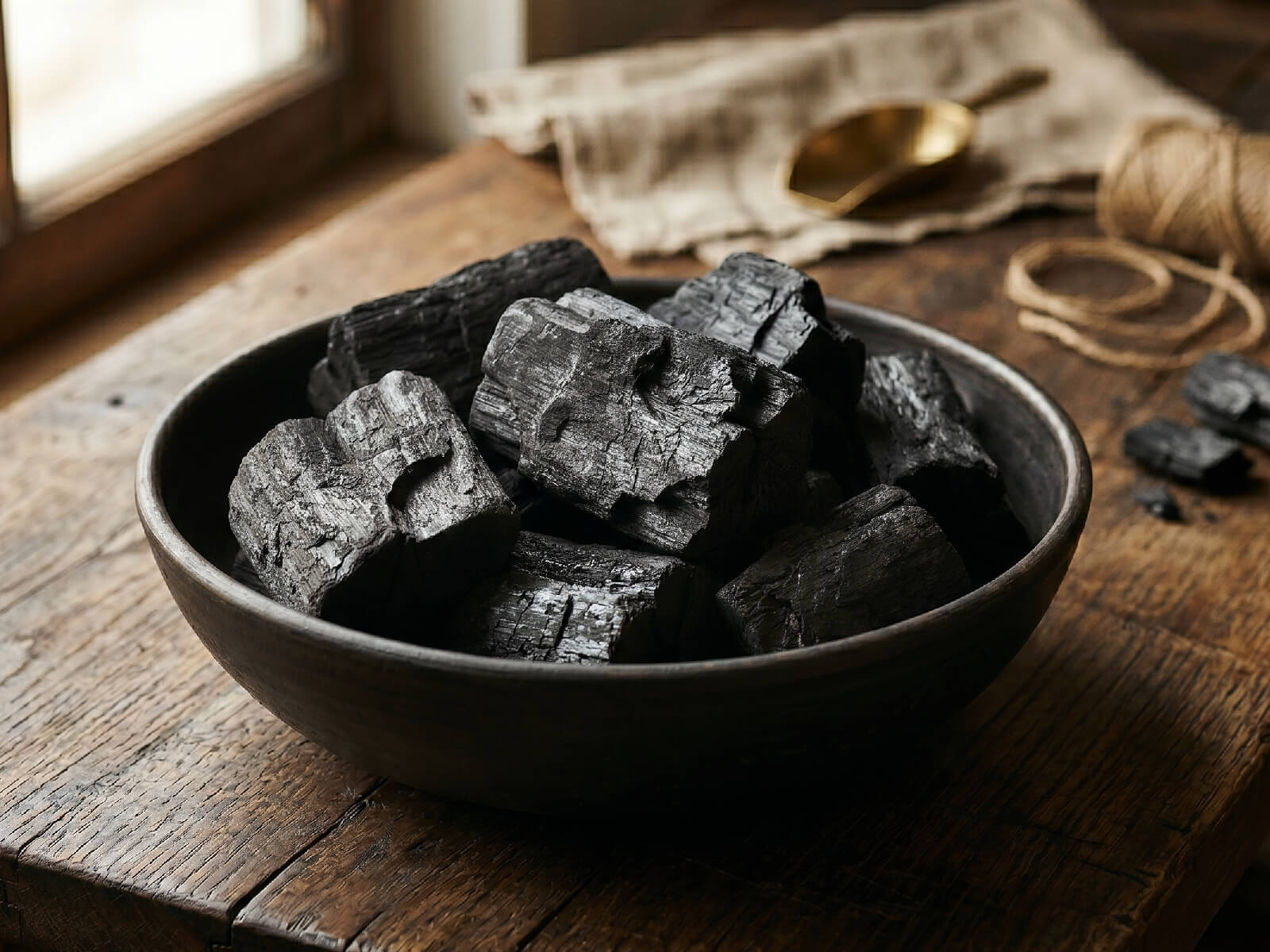
WoodIndustrial Charcoal Lumps
High fixed-carbon lumps for metallurgy and manufacturing
 Wood
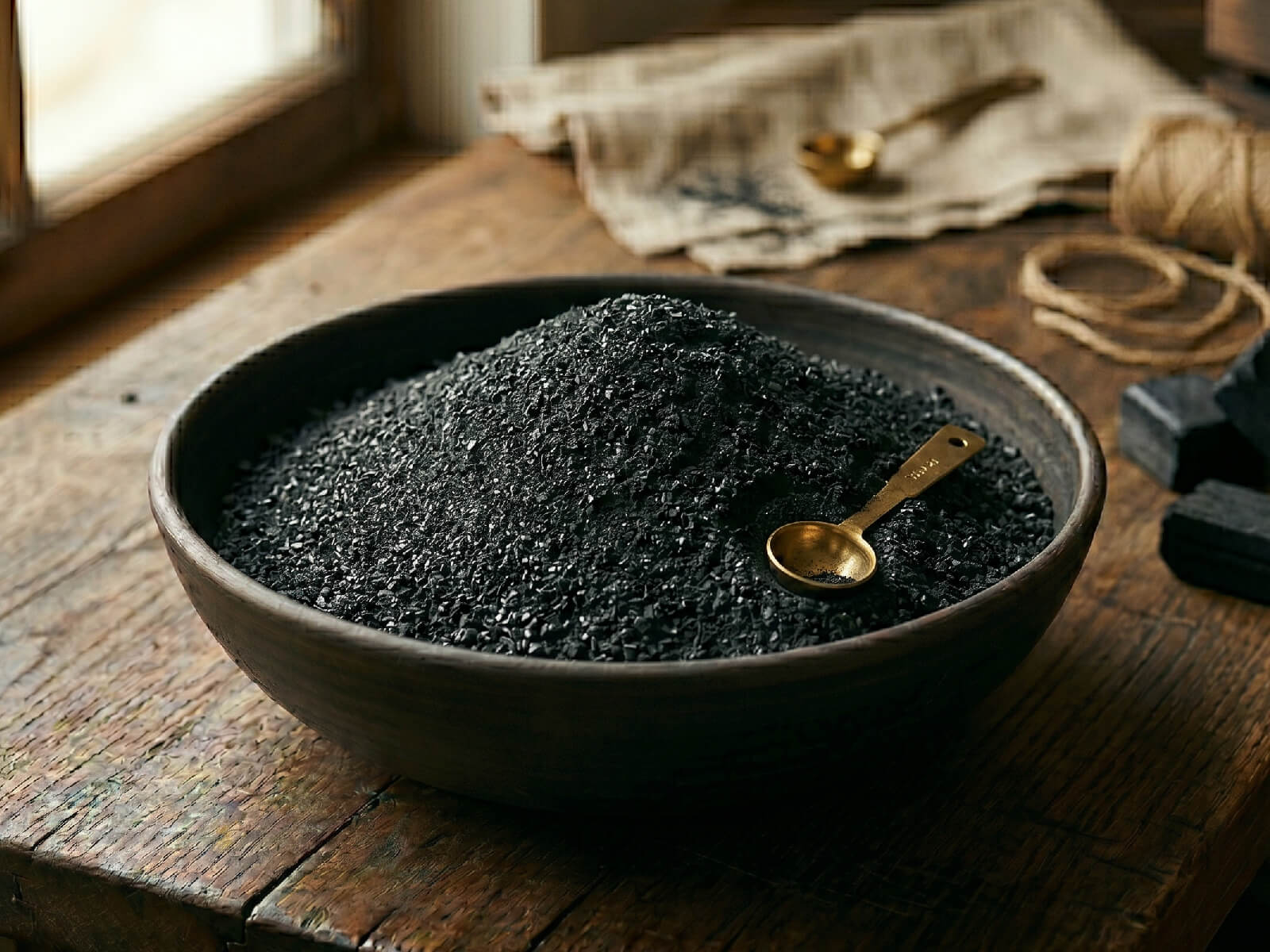
WoodCharcoal Fines
Sub-mm particle residue for soil conditioner and binder feedstock
When to choose wood charcoal
BBQ, grilling and tandoor
Hardwood lumps deliver 7,000+ kcal/kg with a 3–4 hour burn — the high-heat, long-burn standard for sigri, tandoor and outdoor grills. Pillow briquettes light fastest for home BBQ.
Industrial & metallurgy
Industrial-grade lumps exceed 75% fixed carbon with <3% ash — preferred feedstock for foundry operations, activated-carbon plants and high-purity smelting.
Cosmetics & agriculture
Wood charcoal powder goes into face masks, soaps, water filtration cartridges and soil amendment programmes for farms and biochar producers.
Understanding wood charcoal — production, specs, and uses
Wood charcoal is produced by carbonising hardwood timber in low-oxygen kilns at 400–600°C. The process drives off water, volatiles, and resins, leaving a porous, carbon-rich solid. Indian wood charcoal is typically made from native fast-rotation hardwoods — mango, acacia, neem, and sheesham — sourced from plantations and pruning material rather than primary forest. Our standard hardwood lumps run 70–78% fixed carbon, with industrial grades exceeding 75%, calorific value of 7,200–7,400 kcal/kg, ash content under 4%, and moisture below 6%.
For cooking applications, wood charcoal's main advantage is its long, even burn: hardwood lumps in a closed grill or tandoor sustain 3–4 hours of usable heat at 500–600°C. The pyrolysis step also captures the source wood's natural flavour notes — mango imparts a sweet, mellow character prized in Indian tandoors and Latin American grills. Pillow briquettes, made from compressed wood-charcoal powder bound with food-grade natural starch, ignite faster than pure lumps and are popular for home BBQ where a 2–2.5 hour burn is sufficient.
Industrial uses extend well beyond cooking. Foundries and metal recyclers use industrial-grade wood charcoal as a high-purity reductant in copper, lead, and tin smelting. Activated-carbon plants use carbonised wood as feedstock for steam activation. Agricultural buyers apply wood charcoal powder as biochar to improve soil water retention and reduce nutrient leaching. Cosmetic formulators use food-grade wood charcoal powder in face masks, soaps, and toothpaste.
Tax classification: wood charcoal falls under HSN 4402 at GST 5% in the GST 2.0 framework — the same slab as bamboo and coconut shell charcoal. Activated wood carbon falls under HSN 3802 at 18%.
Wood charcoal — frequently asked questions
Common questions from retail buyers, hospitality operators, exporters, and industrial procurement teams. Click any to expand.
What's the fixed carbon range of wood charcoal?
Our hardwood charcoal lumps run 70–78% fixed carbon. Industrial-grade hardwood exceeds 75%. Calorific value is around 7,200–7,400 kcal/kg, ash is under 4%, and moisture is held below 6%.
Is wood charcoal sustainable?
Our wood charcoal is produced exclusively from plantation and pruning material — never primary or old-growth forest. Mango, acacia, neem, and sheesham are all fast-rotation hardwoods. Where the kiln design supports it (in our Rajkot facility and at several partner kilns), wood gas is recovered as process heat instead of being vented.
How long does hardwood charcoal burn?
Hardwood lumps burn 3–4 hours in a closed grill. Standard briquettes 2.5–3 hours. Pillow briquettes 2–2.5 hours. Actual burn time depends on airflow, lump size, and cooking application.
Which woods are used to make your wood charcoal?
Predominantly mango, acacia, neem, and sheesham — all native Indian hardwoods. Mango imparts a sweet, mellow flavour prized in tandoors. Acacia and neem give a denser, longer burn. Sheesham (Indian rosewood) is favoured for high-heat sigri and grilling. Specific species composition is disclosed on the COA for every lot.
Is wood charcoal safe for cooking food?
Yes. Our cooking-grade wood charcoal contains no chemical accelerants, no petroleum binders, and no glue. Briquettes use food-grade natural starch as the only binder. The product is FSSAI-aligned for food contact and is the standard fuel for tandoors, sigri, BBQ, and restaurant grills across India.
What's the difference between wood charcoal lumps and briquettes?
Lumps are irregular pieces of carbonised hardwood — they light slower, burn hotter, and impart a stronger smoky flavour. Briquettes are compressed wood-charcoal powder shaped into uniform pillows or cubes — they light faster, burn more predictably, and are easier to store and transport. Lumps are preferred for tandoor and traditional grilling; briquettes for home BBQ and catering operations needing consistent burn time.
How should I store wood charcoal?
Keep wood charcoal in a dry, ventilated space away from direct sunlight and humid floors. Charcoal absorbs moisture from the air; if it gets damp, it will smoke heavily and produce uneven heat. Vacuum-sealed retail packs stay good for 24+ months. Open bags should be used within 6–9 months.
Can wood charcoal be used for water filtration?
Plain wood charcoal has limited filtration performance compared to activated carbon. For water filtration, you need activated wood carbon — produced by steam-activating wood charcoal at 800–1100°C to develop pore structure. Activated wood carbon achieves 600–900 m²/g BET surface area and is suitable for residential filters; coconut shell remains the gold standard for high-grade pharma and industrial filtration.
What HSN code and GST rate applies to wood charcoal in India?
Standard wood charcoal falls under HSN 4402 at GST 5%. Activated wood carbon falls under HSN 3802 at GST 18%. Both are invoiced with full CGST+SGST (intra-state) or IGST (inter-state) split per GST 2.0 rules. Every order ships with a tax-compliant invoice.
Do you ship wood charcoal for export?
Yes. We export wood charcoal lumps and industrial-grade lots to the UAE, Maldives, Bhutan, Sri Lanka, and EU markets. Export documentation includes COA per lot, MSDS, fumigation certificate (where required), and origin declaration. Minimum export quantity is typically 1 MT; container loads attract bulk pricing. Contact sales for a pro-forma invoice.