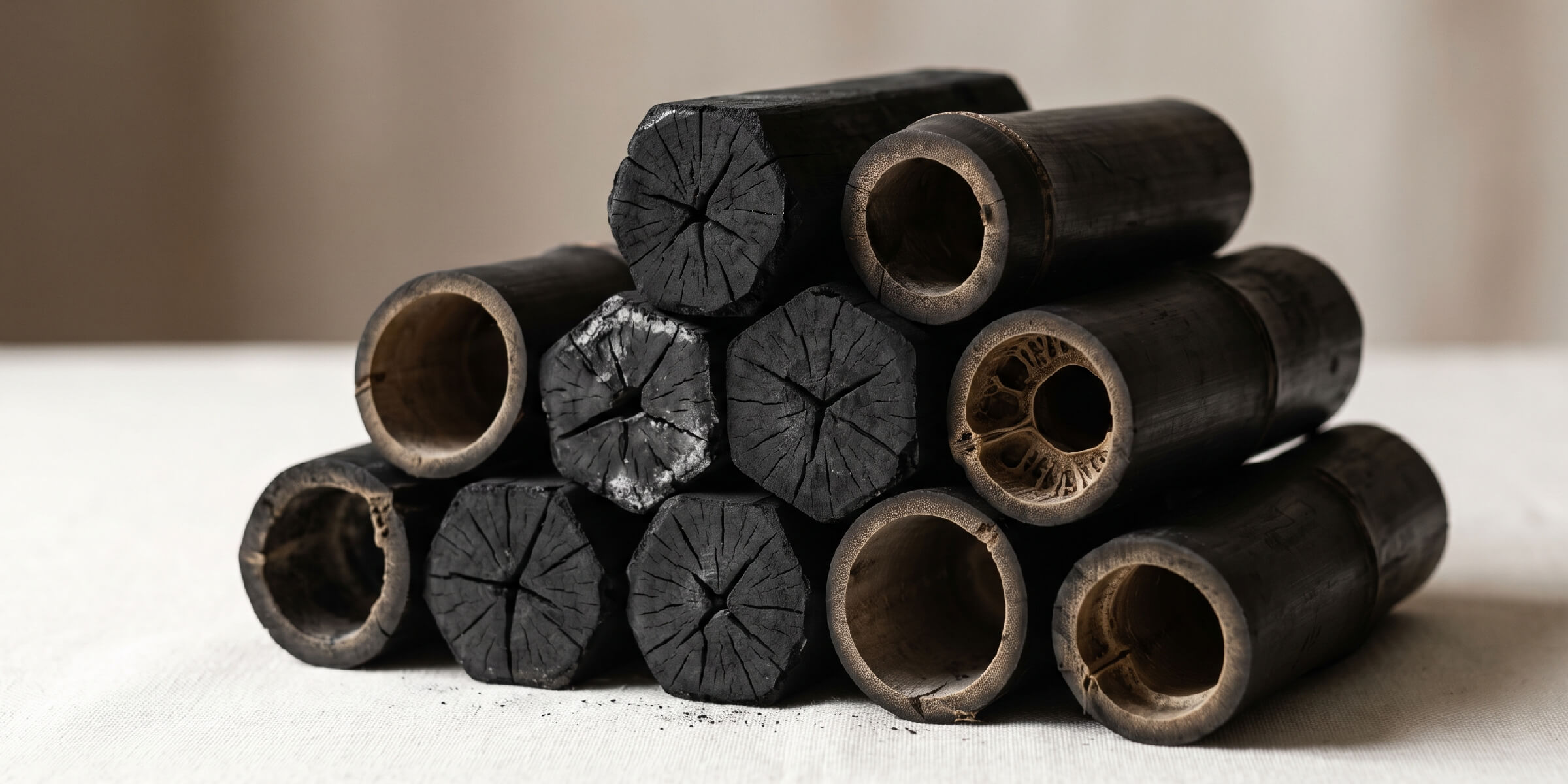
Bamboo Charcoal
High-porosity bamboo charcoal for purification and specialty use
Bamboo charcoal offers a unique balance of clean burn and high surface area. Carbonised from mature culms, it's the go-to material for skincare powders, activated carbon, shisha briquettes and soil-amendment applications.
 BambooBestseller
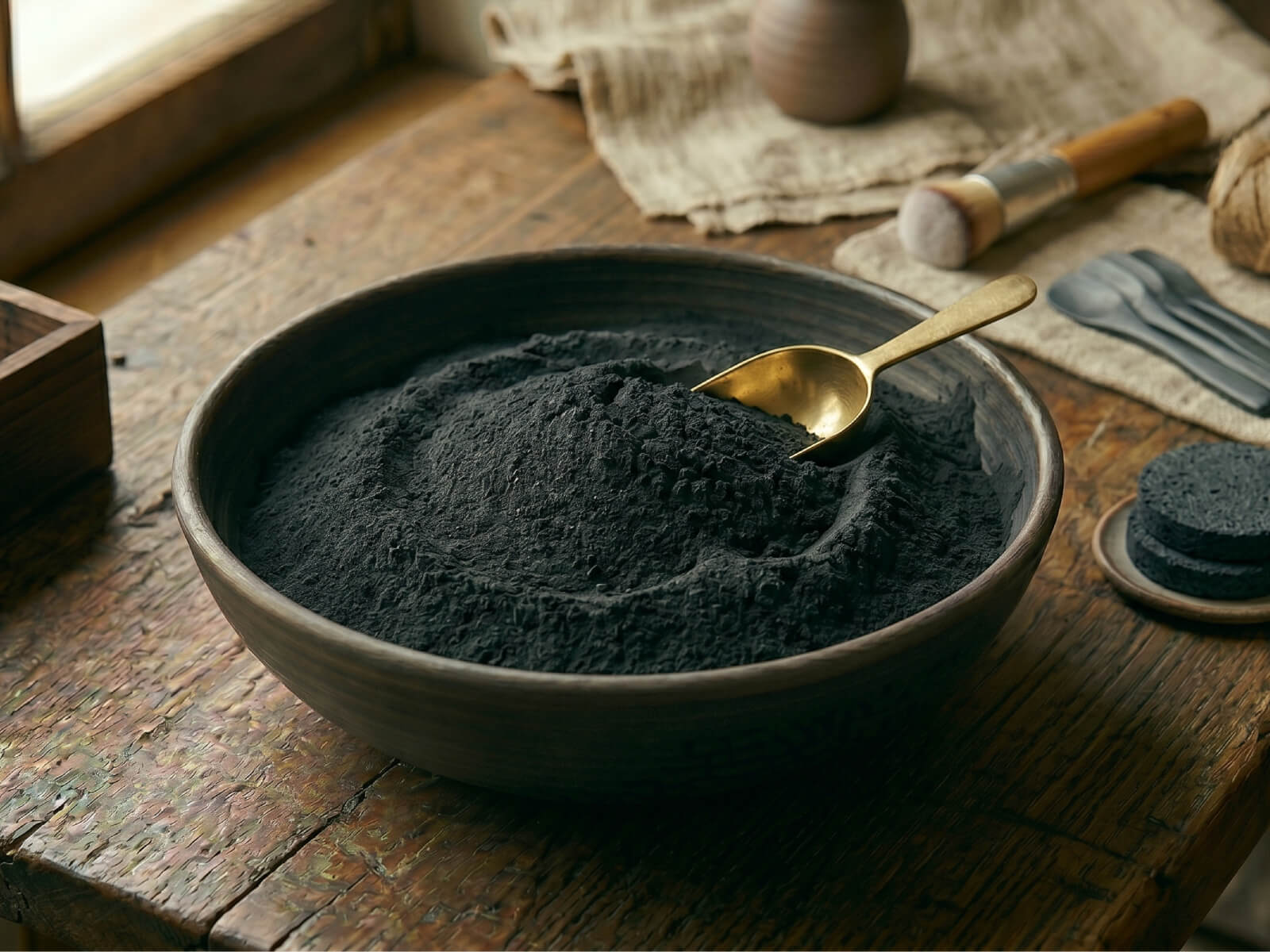
Bamboo Charcoal Powder
Ultra-fine bamboo charcoal for skincare and detox
 Bamboo
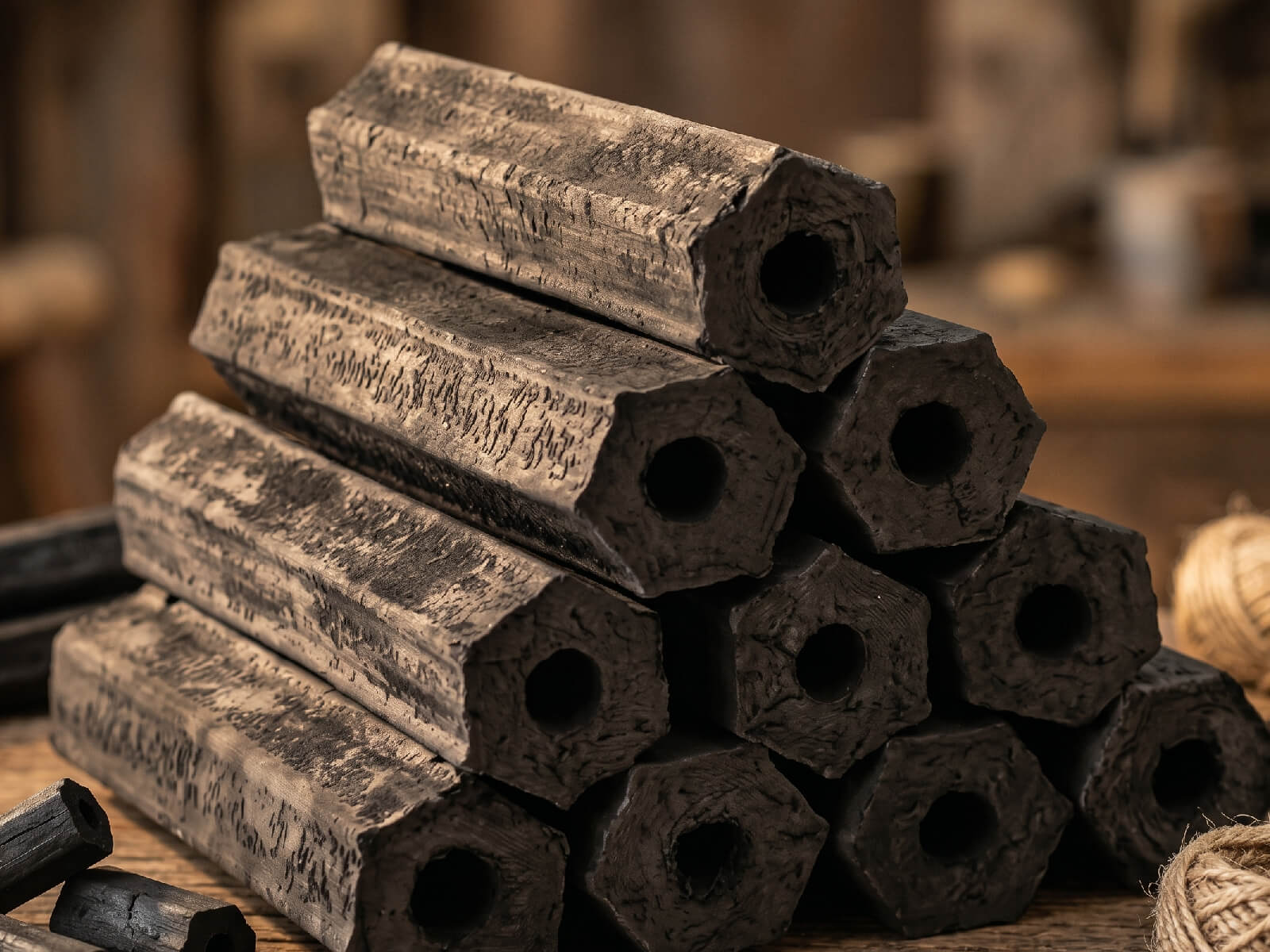
Bamboo Charcoal Hexagon Briquettes
Hexagon-shaped bamboo briquettes — steady heat for hookah
 Bamboo
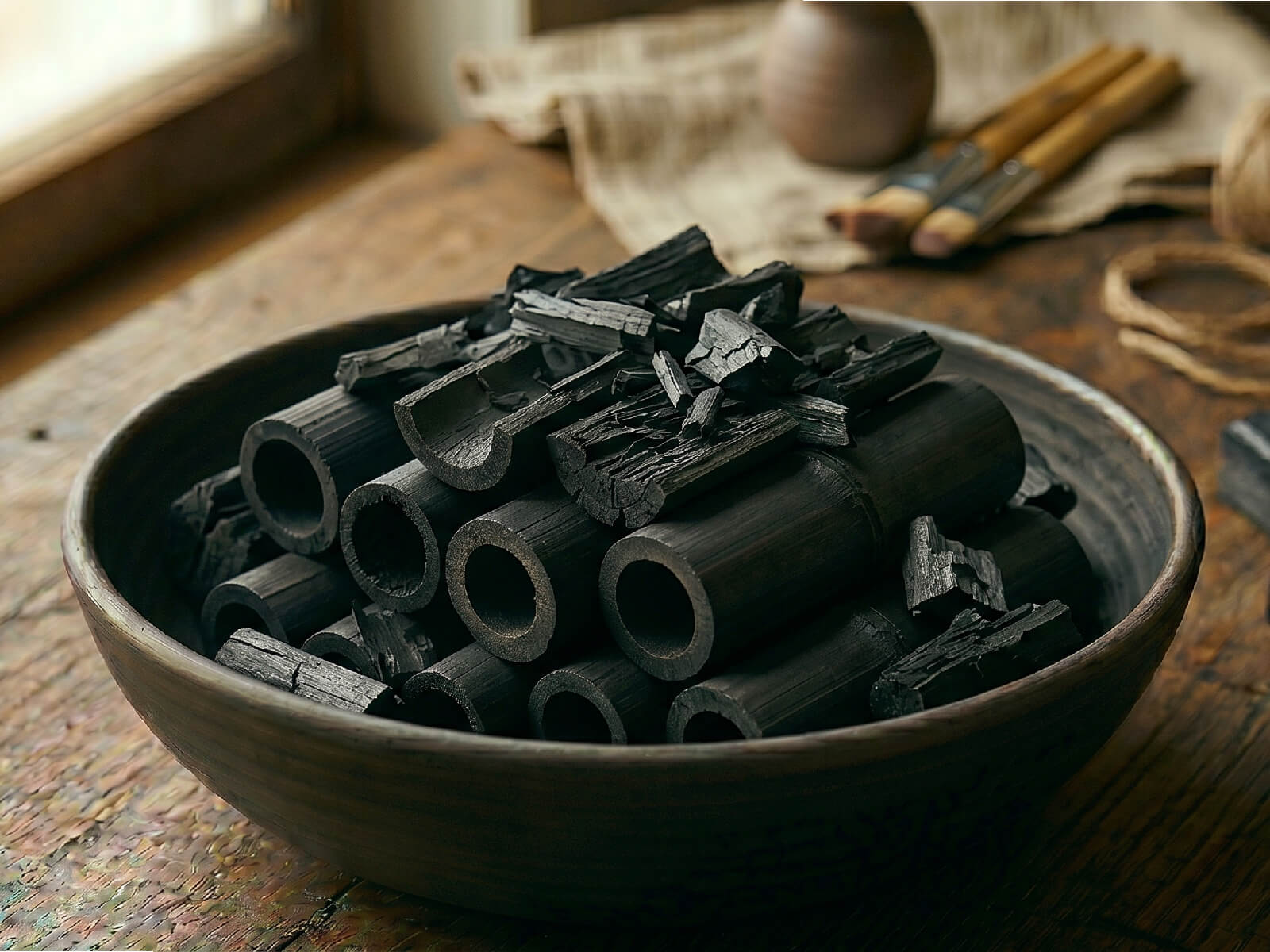
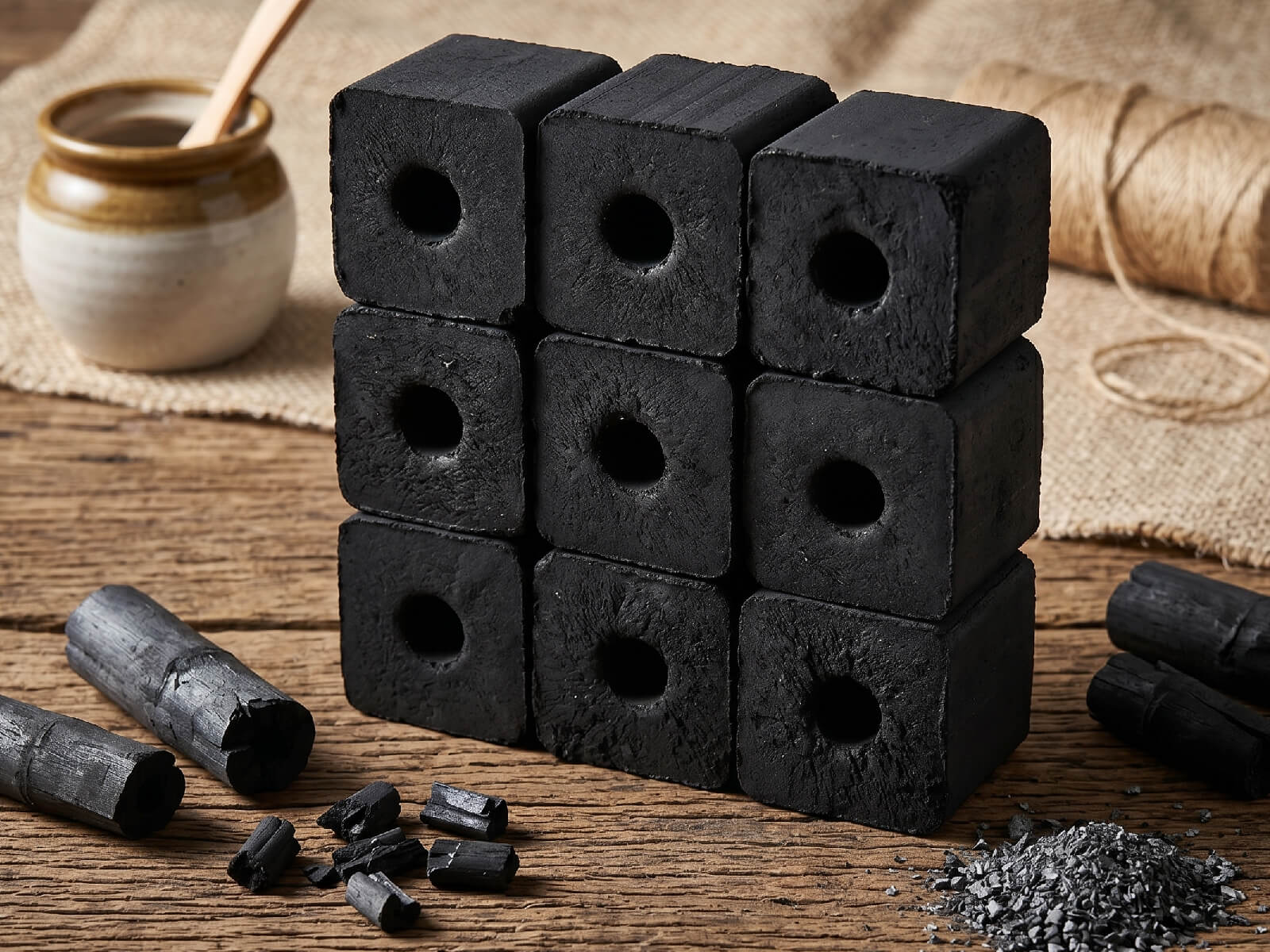
Bamboo Charcoal Lumps
Hollow bamboo sections carbonised whole
 Bamboo
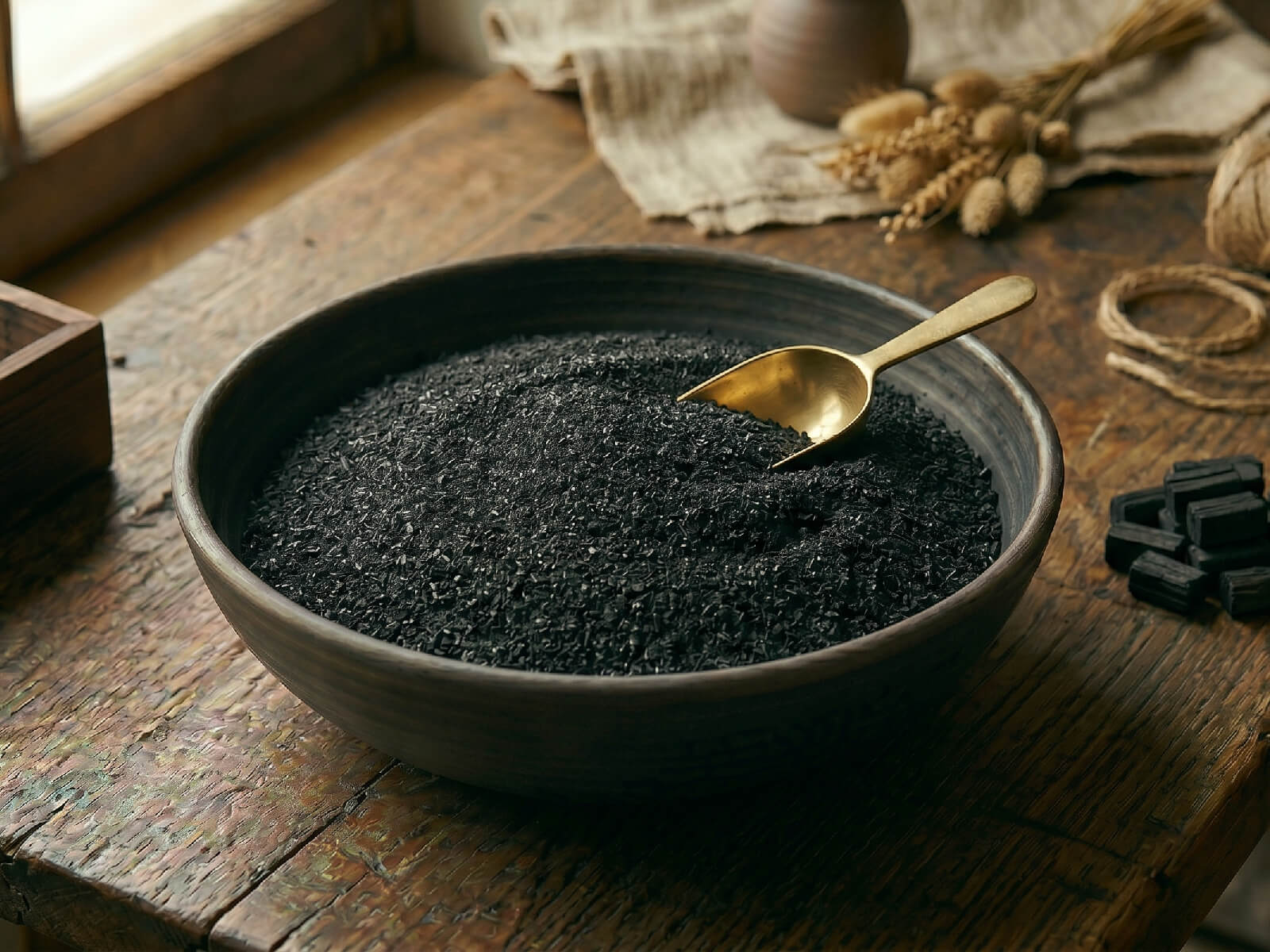
Bamboo Charcoal Briquettes
Compressed bamboo charcoal for hookah and slow-cook BBQ
 Bamboo
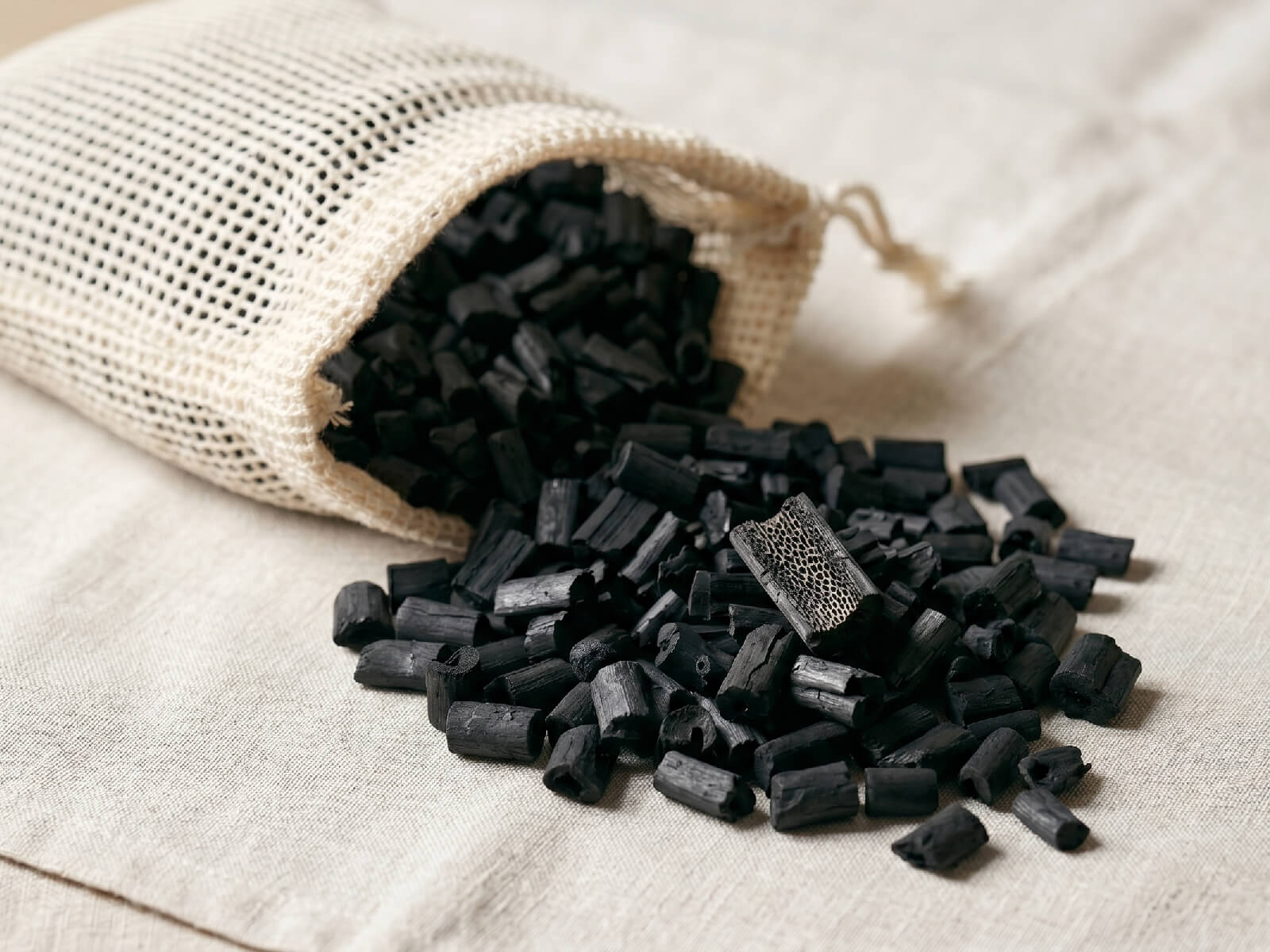
Bamboo Charcoal Fines
Sub-mm bamboo charcoal — soil amendment & briquette feedstock
 Bamboo
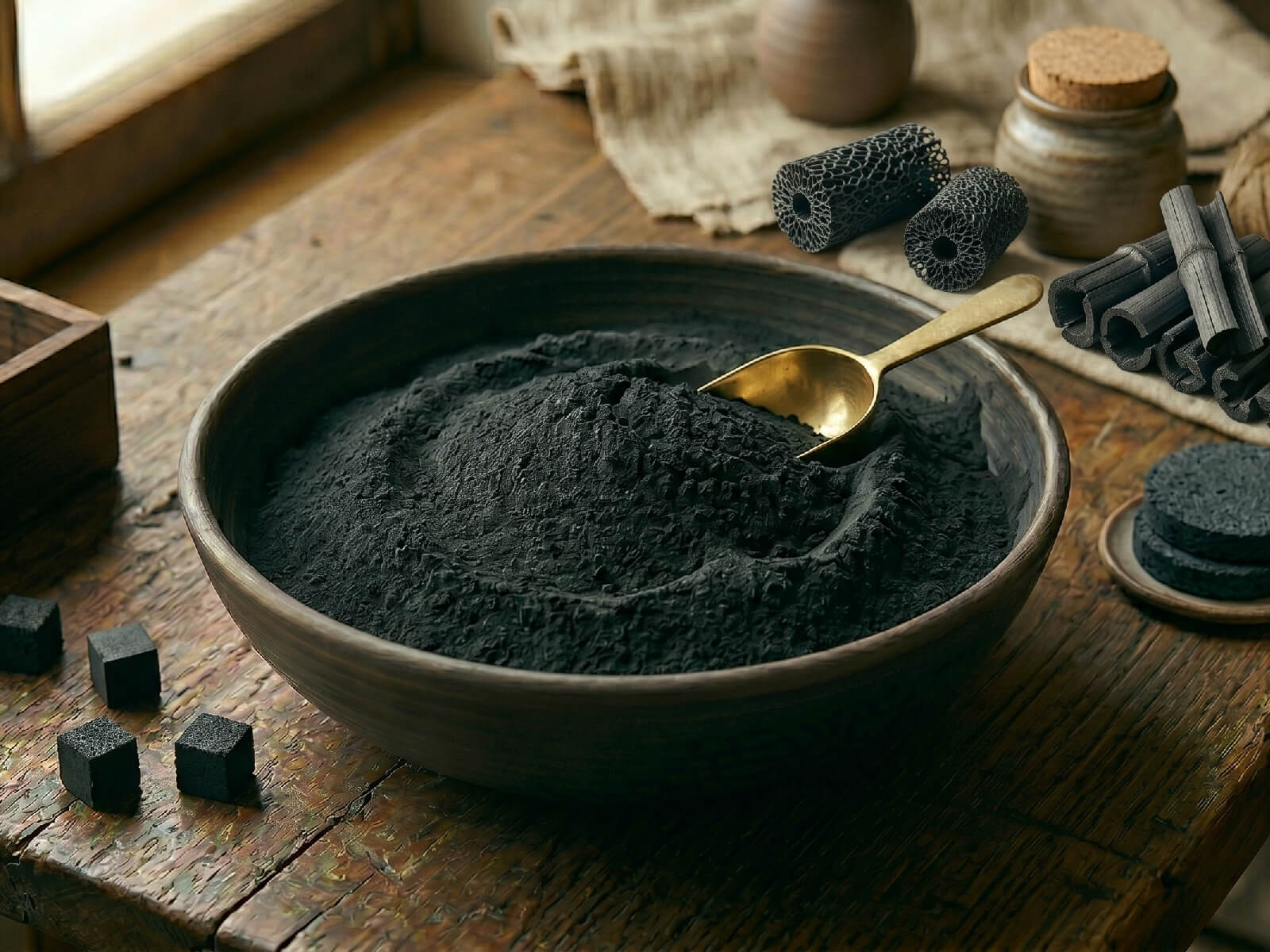
Bamboo Charcoal Chips
Small adsorbent chunks for purifiers and deodorisers
 Bamboo
Activated Bamboo Charcoal
Steam-activated bamboo — 800–1200 m²/g surface area
 Bamboo
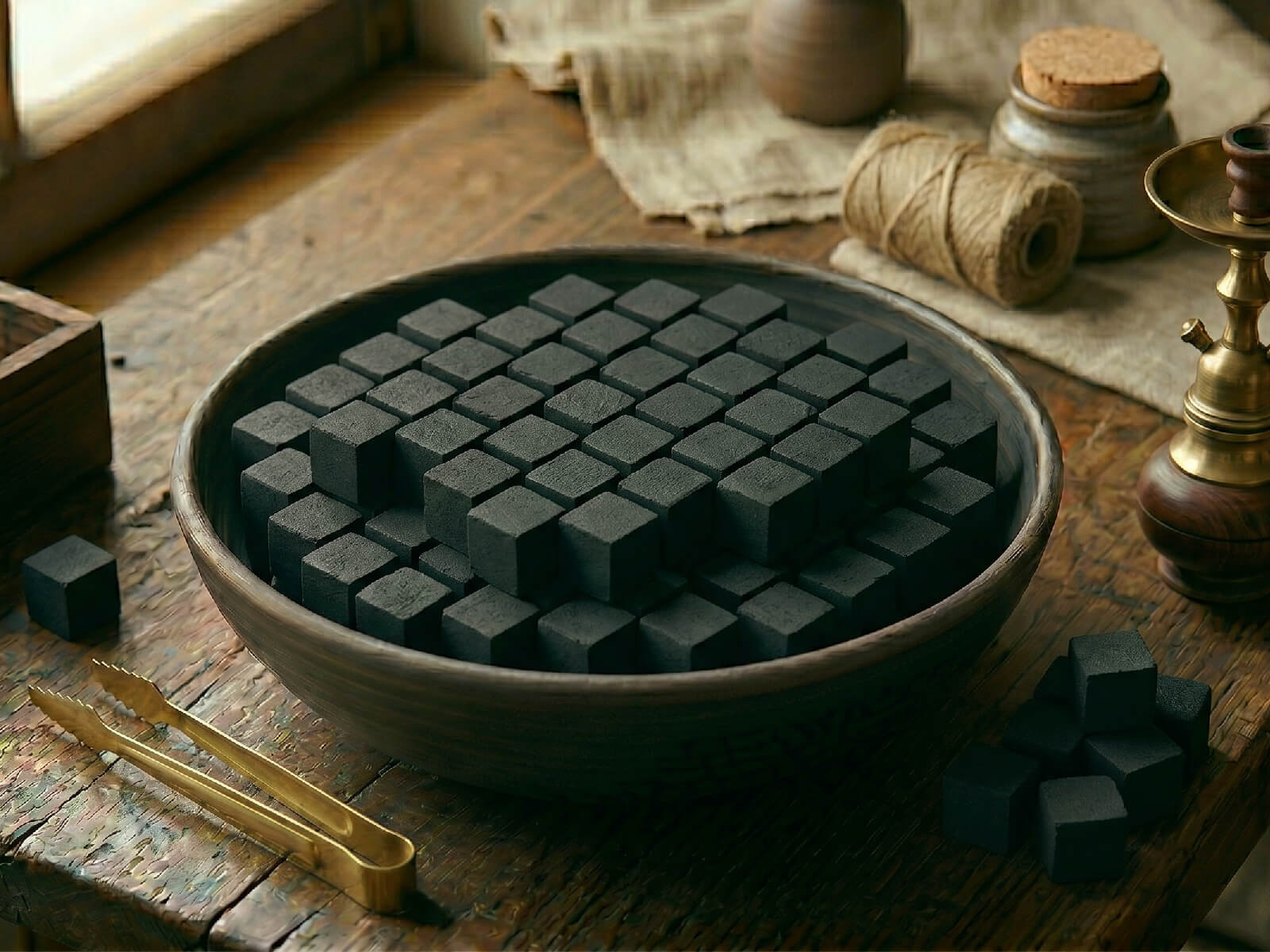
Bamboo Charcoal Cube Briquettes
Uniform bamboo cubes for restaurants, catering and hookah
 Bamboo
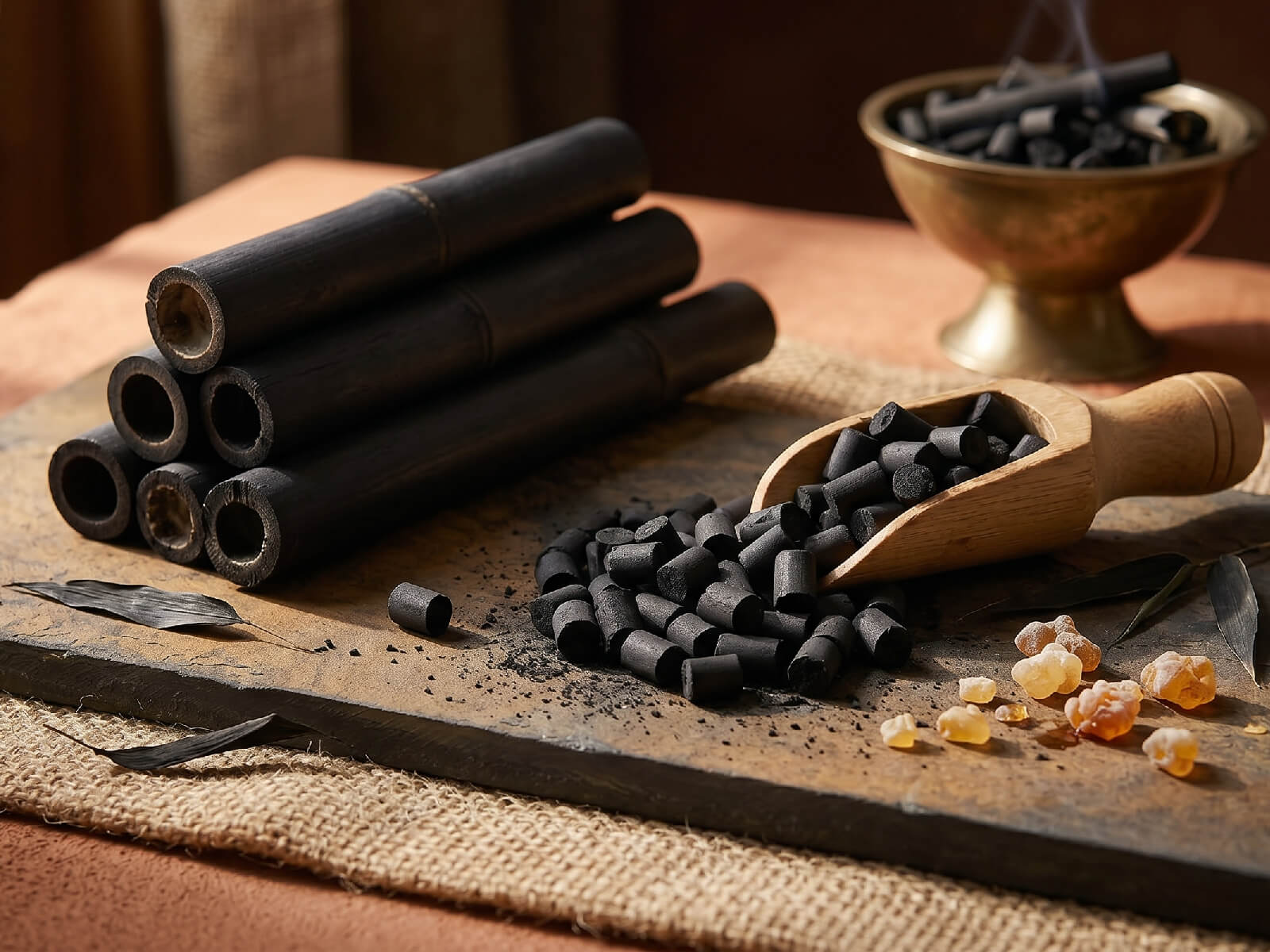
Bamboo Charcoal Pellets
Compressed bamboo pellets — long-burn pellet-grill fuel
 Bamboo
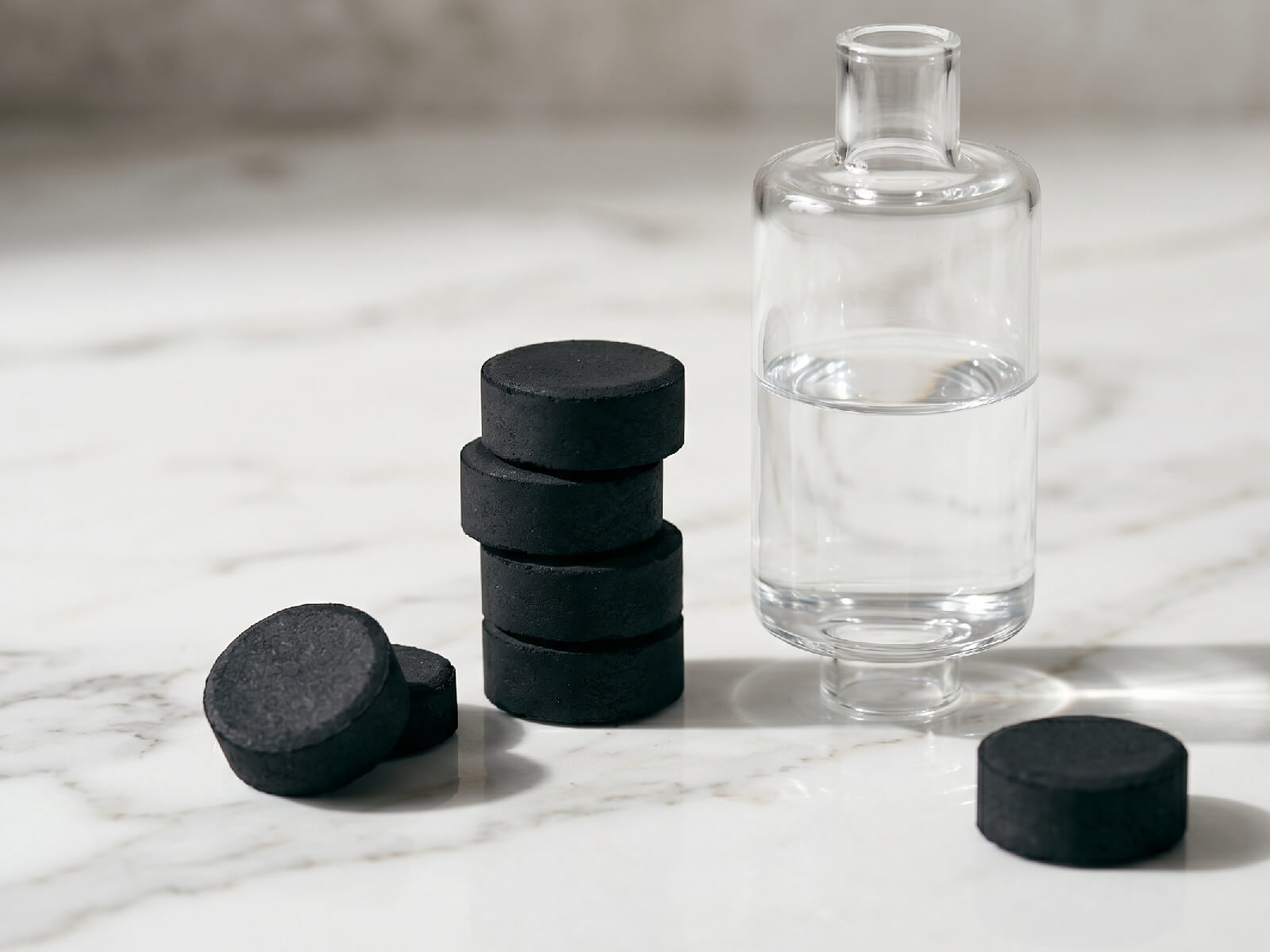
Bamboo Charcoal Tablets
Compressed tablets for water filters and humidifiers
 Bamboo
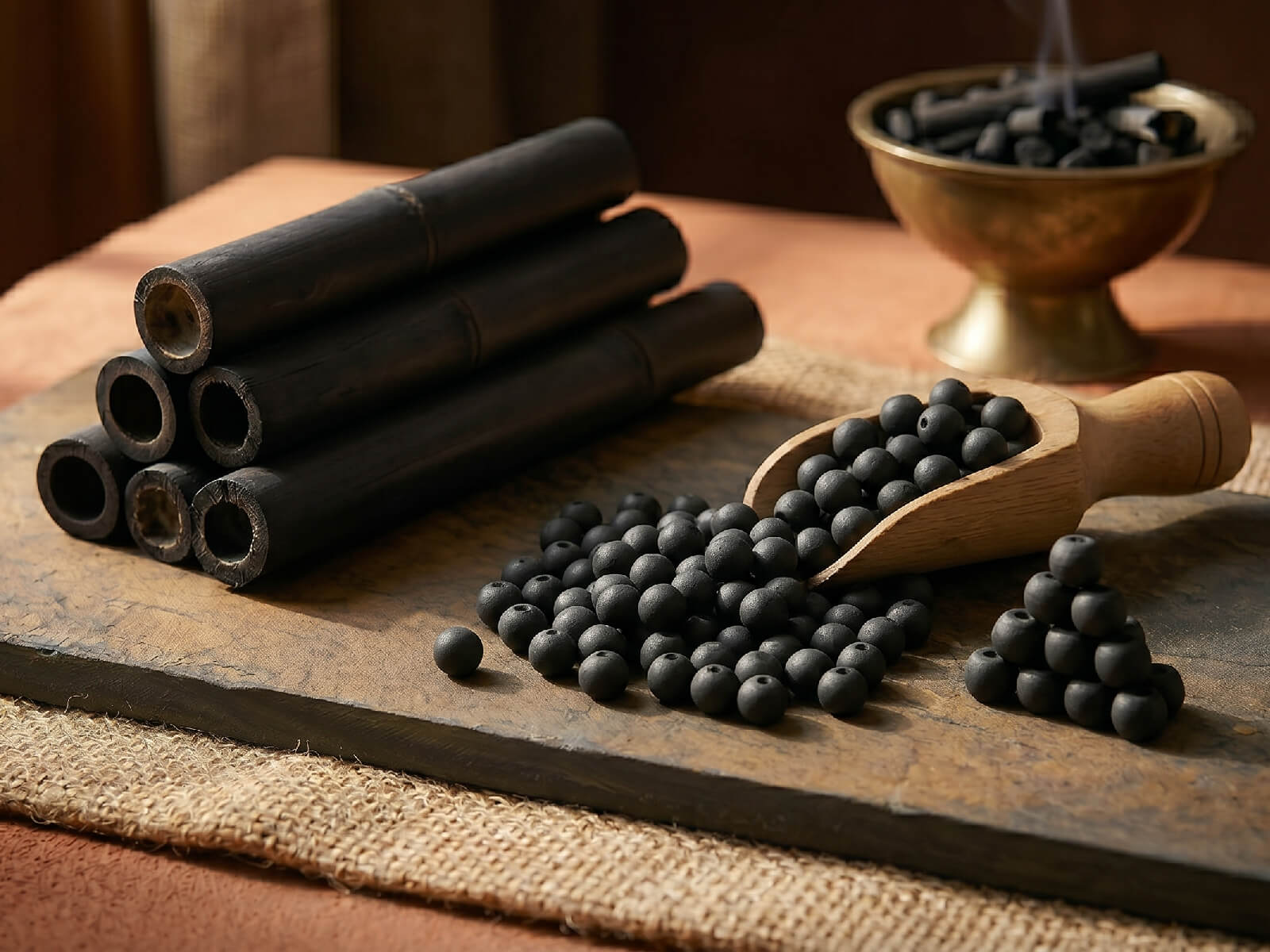
Bamboo Charcoal Beads
Small beads for dehumidifiers and air fresheners
When to choose bamboo charcoal
Hookah / shisha lounges
Bamboo hexagon briquettes at 82–85% fixed carbon offer a softer, longer burn than coconut shell — premium hookah lounges chasing the slowest hold favour bamboo.
Cosmetics & food-grade
Cosmetic-grade bamboo charcoal powder is heavy-metal tested and FSSAI-approved — used in face masks, toothpaste, soap bars and food-grade detox formulations.
Activated carbon & filtration
Steam-activated bamboo charcoal hits 800–1200 m²/g BET surface area — used in residential water filters, air purifiers and pharmaceutical applications.
Understanding bamboo charcoal — production, specs, and uses
Bamboo charcoal is produced from mature bamboo culms (typically 4–5 year-old Moso or Indian Bambusa) carbonised at 600–800°C. Bamboo's distinctive vascular structure — a hollow honeycomb of conducting bundles — survives carbonisation and produces a charcoal with significantly higher porosity than wood-derived equivalents. Bamboo grows to harvestable size in 3–5 years versus 20+ for hardwoods, making it the most sustainably renewable charcoal feedstock available in India.
The fixed carbon content of bamboo charcoal ranges 82–85% — higher than most wood charcoals — with ash under 3%, calorific value around 7,400–7,500 kcal/kg, and a near-odourless burn. These properties make bamboo charcoal especially valued in hookah and shisha applications: hexagon briquettes deliver 60–90 minute holds with minimal aroma transfer, allowing the shisha blend's own flavour to dominate. Premium hookah lounges in the Middle East and US frequently choose bamboo over coconut for the slightly slower, softer burn.
Beyond combustion, bamboo charcoal's high adsorption capacity drives its strongest commercial demand: cosmetics and personal care. Cosmetic-grade bamboo charcoal powder, ground to 200-mesh and heavy-metal tested, goes into face masks, exfoliants, soap bars, toothpaste, and food-grade detox formulations. The same porous structure makes activated bamboo charcoal a leading filtration medium — steam-activated bamboo achieves 800–1200 m²/g BET surface area, used in residential RO filters, air purifiers, and pharmaceutical-grade applications.
Tax classification: bamboo charcoal qualifies for the same HSN 4402 / GST 5% treatment as wood and coconut. Activated bamboo carbon falls under HSN 3802 at 18%. Cosmetic-grade powder must additionally meet FSSAI standards if used in oral or food applications.
Bamboo charcoal — frequently asked questions
Common questions from retail buyers, hospitality operators, exporters, and industrial procurement teams. Click any to expand.
Why is bamboo charcoal popular for cosmetics?
Bamboo's natural cell structure carbonises into a uniquely high-porosity material — ideal for adsorption-based skincare (face masks, toothpaste, soap bars). Our cosmetic-grade powder is ground to 200-mesh, heavy-metal tested, and FSSAI compliant for oral and topical use.
Is bamboo charcoal good for hookah?
Yes. Bamboo hexagon briquettes deliver a softer, slightly longer burn than coconut shell — preferred by lounges chasing 90+ minute holds. Fixed carbon is 82–85% with under 3% ash and a near-odourless burn that doesn't compete with the shisha blend's flavour.
What is activated bamboo charcoal used for?
Steam-activated bamboo charcoal expands to 800–1200 m²/g BET surface area. Applications: residential RO water filters, air purifiers, industrial gas adsorption, and pharmaceutical-grade processes (with COA + heavy-metal testing per lot).
How is bamboo charcoal made?
Mature bamboo culms (4–5 year-old Moso or Indian Bambusa) are split, dried, then carbonised in low-oxygen kilns at 600–800°C for 6–10 days. The bamboo's hollow vascular structure survives carbonisation and gives the resulting charcoal its distinctive high porosity. Activated bamboo charcoal goes through a second steam or chemical activation step at 700–1100°C.
Why bamboo over wood charcoal for adsorption applications?
Bamboo's native cell structure (a hollow honeycomb of vascular bundles) survives carbonisation and produces a charcoal with significantly higher internal porosity than wood-derived equivalents. For applications that depend on surface area — odour control, water polishing, cosmetic adsorption, biochar — bamboo charcoal typically outperforms wood charcoal at the same fixed-carbon content.
Is bamboo charcoal food-safe?
Our cosmetic-grade bamboo charcoal powder is FSSAI compliant and tested for heavy metals (lead, arsenic, cadmium, mercury), pesticide residue, and microbial load. It's certified safe for use in oral-care products (toothpaste, mouthwash) and food-grade detox formulations. Cooking and industrial grades are not certified for food contact and should not be substituted.
Is bamboo charcoal more sustainable than wood charcoal?
Yes — bamboo regenerates from the root rhizome after harvest (you don't replant), reaches harvestable maturity in 3–5 years versus 20+ for hardwoods, and sequesters carbon faster than nearly any tree species. Bamboo is also pesticide-free in its native habitat. For environmentally-conscious buyers, bamboo charcoal is typically the lowest-impact choice.
What's the BET surface area of activated bamboo charcoal?
Steam-activated bamboo charcoal typically achieves 800–1200 m²/g BET surface area. Our pharma-grade product hits the upper end (1100+ m²/g) and is supplied with COA per lot. For comparison: standard activated wood carbon runs 600–900 m²/g; activated coconut shell exceeds 1100 m²/g.
What's the shelf life of bamboo charcoal?
Cooking and hookah grades stay usable indefinitely if stored dry and away from direct sunlight. Cosmetic-grade powder packed in food-grade pouches has a 24-month shelf life from manufacture. Activated bamboo carbon should be used within 12 months of opening to avoid moisture saturation that reduces adsorption capacity.
What HSN code and GST rate applies to bamboo charcoal?
Standard bamboo charcoal: HSN 4402 / GST 5%. Activated bamboo carbon: HSN 3802 / GST 18%. Invoiced with CGST+SGST or IGST split per the customer's state versus our supplier state (Gujarat) — handled automatically at checkout.